
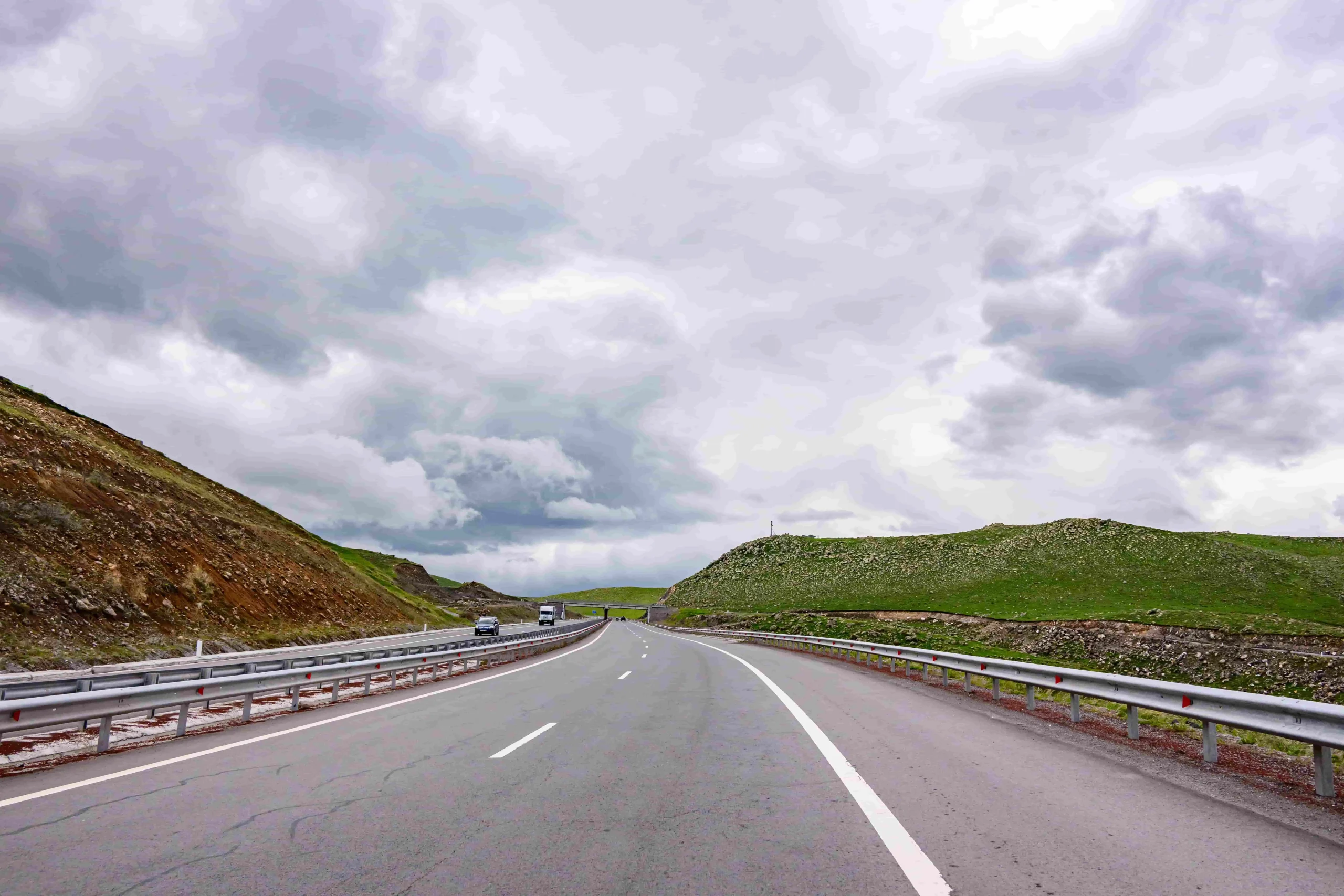
A
long-distance road triprequires more preparation than simply planning a destination and starting the drive. Route planning, realistic driving hours, vehicle selection, rental terms, fuel stops, vehicle inspection, packing, and fatigue management can all affect the journey. This guide explains how to prepare for a long-distance road trip, choose the right rental vehicle, understand important rental policies, build a practical checklist, and prepare for unexpected changes along the way.
AI Summary Prompt Tools
Executive Summary
Map fuel stations, rest areas, overnight stops, construction zones, mountain passes, border crossings, and potential areas with limited mobile service before departure.
Match the rental vehicle to the number of passengers, luggage, terrain, weather, and expected driving distance rather than choosing solely by the daily rental rate.
Check mileage allowances, cross-border requirements, deposits, additional-driver fees, fuel rules, cancellation conditions, and extension policies before starting the trip.
Photograph existing damage and check tyres, lights, wipers, fuel level, odometer, warning lights, and emergency equipment before leaving the rental location.
Carry your licence, identification, rental agreement, insurance documents, credit card, navigation equipment, water, food, first-aid supplies, chargers, offline maps, and weather-appropriate clothing.
Plan fuel stops, monitor changing weather, take regular breaks, watch for wildlife, and know what to do if the vehicle breaks down or an accident occurs.
A long-distance road trip is not simply a short drive with more kilometres added. It is a different discipline that demands route planning, vehicle judgment, fatigue management, and a clear understanding of rental terms with Zoom Rentals.
The right preparation protects your time, budget, comfort, and safety. This road trip guide explains how to prepare for a road trip, choose the right rental vehicle, build a practical road trip checklist, and handle unexpected changes with confidence.
Why Preparation Decides the Trip
A memorable road trip rarely depends on luck. It depends on decisions made before the engine starts.
A realistic itinerary prevents exhausting driving days. The right vehicle makes hours behind the wheel more comfortable. A documented vehicle inspection protects you from confusion at return. A carefully packed emergency kit gives you options when the next fuel station or service centre is far away.
Before leaving, review official guidance from the National Highway Traffic Safety Administration on driver fatigue and consult the Ontario road safety resource if your journey begins or ends in Ontario.

Step 1: Plan the Route and Driving Hours
Start with the complete route, not just the destination. Mark fuel stations, overnight stops, rest areas, mountain passes, border crossings, construction zones, and roads where mobile service may be limited.
A practical long-distance schedule includes:
Six to seven hours of driving as a daily upper limit for most travellers
Breaks approximately every two hours
Extra time for traffic, weather, meals, charging, fuel, and sightseeing
Daylight driving through unfamiliar mountain, rural, or single-lane sections
A backup route for closures, severe weather, or unexpected delays
Avoid planning every kilometre around the fastest navigation estimate. A route through the Canadian Rockies, northern Ontario, the American Southwest, or rural coastal areas can take longer than expected because of terrain, wildlife, roadwork, and limited services.
Download offline maps before departure and keep a physical map in the vehicle. Check forecasts through Environment and Climate Change Canada and review Transport Canada road transportation safety information before travelling through changing conditions.
Step 2: Choose the Right Vehicle for the Distance
Vehicle selection affects every part of the journey, from fuel spending to passenger comfort and luggage access. Review the Zoom Rentals fleet before booking and match the vehicle to the route rather than choosing only by daily price.
| Vehicle type | Comfort and cargo | Fuel considerations | Best trip type |
|---|---|---|---|
Comfortable for two or three travellers with limited luggage | Usually the most economical | City-to-city travel and couples | |
Higher seating position with moderate cargo space | Balanced economy and flexibility | Mixed highway, rural, and scenic routes | |
More passenger room and luggage capacity | Higher fuel use than a compact car | Family travel, mountain routes, and long highway days | |
Minivan or passenger van such as the 12-passenger extended van | Maximum seating and flexible luggage space | Higher fuel consumption | Group travel, family holidays, and events |
A compact car works well for a two-person highway journey with light luggage. A compact SUV offers a stronger balance when the trip includes uneven access roads, winter conditions, or several bags. A standard SUV gives passengers more space for longer days. A minivan or 12-passenger extended van keeps a larger group together instead of splitting into multiple vehicles.
You can also compare the Compact Car, Compact SUV, and Standard SUV options before confirming your reservation.
Step 3: Understand Your Rental Terms Before You Leave
Mileage is one of the most important numbers in a long-distance rental agreement. Zoom Rentals generally allows up to 3,000 kilometres per month when the vehicle remains within the province where it was picked up. Short-term rentals under seven days, out-of-province travel, and local renters are generally limited to 200 kilometres per day, up to 3,000 kilometres per month. Specialty vehicles, including vans, luxury vehicles, and pickup trucks, can have separate restrictions. Excess kilometres are charged according to the rental agreement, and the published mileage policy is outlined in the Zoom Rentals FAQ. For independent consumer guidance on rental terms and fees, review the FTC renting a car guide.
Contact Zoom before crossing a provincial, territorial, state, or international boundary. Out-of-province and cross-border travel may require advance approval and additional daily charges. Vehicles are monitored for location activity, and unauthorized travel can result in fees or penalties. Cross-border approval requests should be made through the Zoom Rentals contact page.
Review these other policies before departure:
Return the vehicle with the same fuel level provided at pickup to avoid refuelling charges, as stated in the Zoom Rentals FAQ.
Drivers must generally be at least 23 years old. Drivers aged 23-24 may pay an underage fee.
A minimum refundable deposit of $1,000 is held on a credit card in Canada and the United States, with deposit details published in the Zoom Rentals FAQ.
Debit cards, prepaid cards, cheques, and cash are not accepted for deposits.
The deposit is a temporary authorization or hold, not automatically a final charge. Domestic cards typically receive the release within three to seven business days, while international banks may take 30 to 45 days.
Additional drivers must satisfy the age and licence requirements, and a daily fee applies.
Extensions depend on availability. Contact Zoom at least 48 hours before the scheduled return time.
Early returns are permitted, but unused rental days are not prorated.
Cancellation generally requires at least 72 hours’ notice. Specialty vehicles are strictly non-cancellable and non-refundable.
The Zoom Rentals FAQ provides the current policy details. Contact the Zoom Rentals team if your route includes another province, territory, state, or country.
Step 4: Inspect and Document the Vehicle
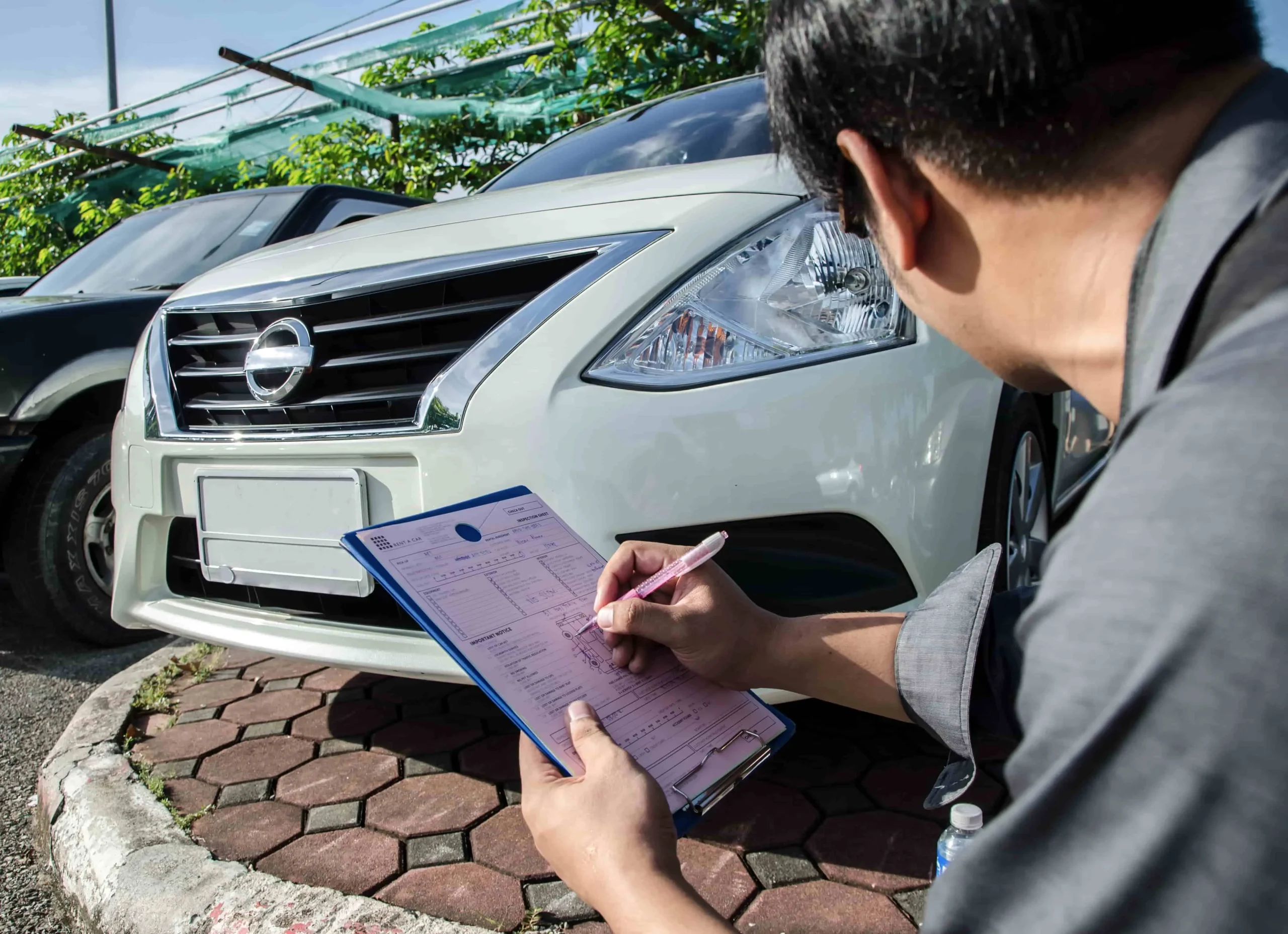
Complete a careful walk-around before leaving the rental location. Photograph each side of the vehicle, the wheels, windshield, bumpers, roof, dashboard, odometer, and fuel gauge. Make sure existing marks are recorded on the rental agreement. For broader national guidance on vehicle and road safety, consult Transport Canada road transportation information.
Your road trip car maintenance checklist should include:
Tyre condition and recommended pressure
Headlights, brake lights, turn signals, and hazard lights
Windshield washer fluid and wipers
Spare tyre or tyre inflation kit
Jack and wheel tools, if provided
Fuel level and odometer reading
Warning lights on the dashboard
Emergency contact and roadside assistance instructions
Zoom offers optional roadside assistance for a daily fee. Coverage includes services such as key lockout assistance, jump starts, and fuel delivery. Confirm the terms before departing.
Step 5: Pack the Road Trip Essentials
A useful road trip packing system separates items into four groups: documents, safety, comfort, and access.
Your road trip essentials should include:
Driver’s licence, government ID, rental agreement, insurance documents, and credit card
Passport, return ticket, and International Driving Permit if required
First-aid supplies and personal medication
Water, non-perishable snacks, and a small cooler
Phone mount, charging cables, power bank, and downloaded maps
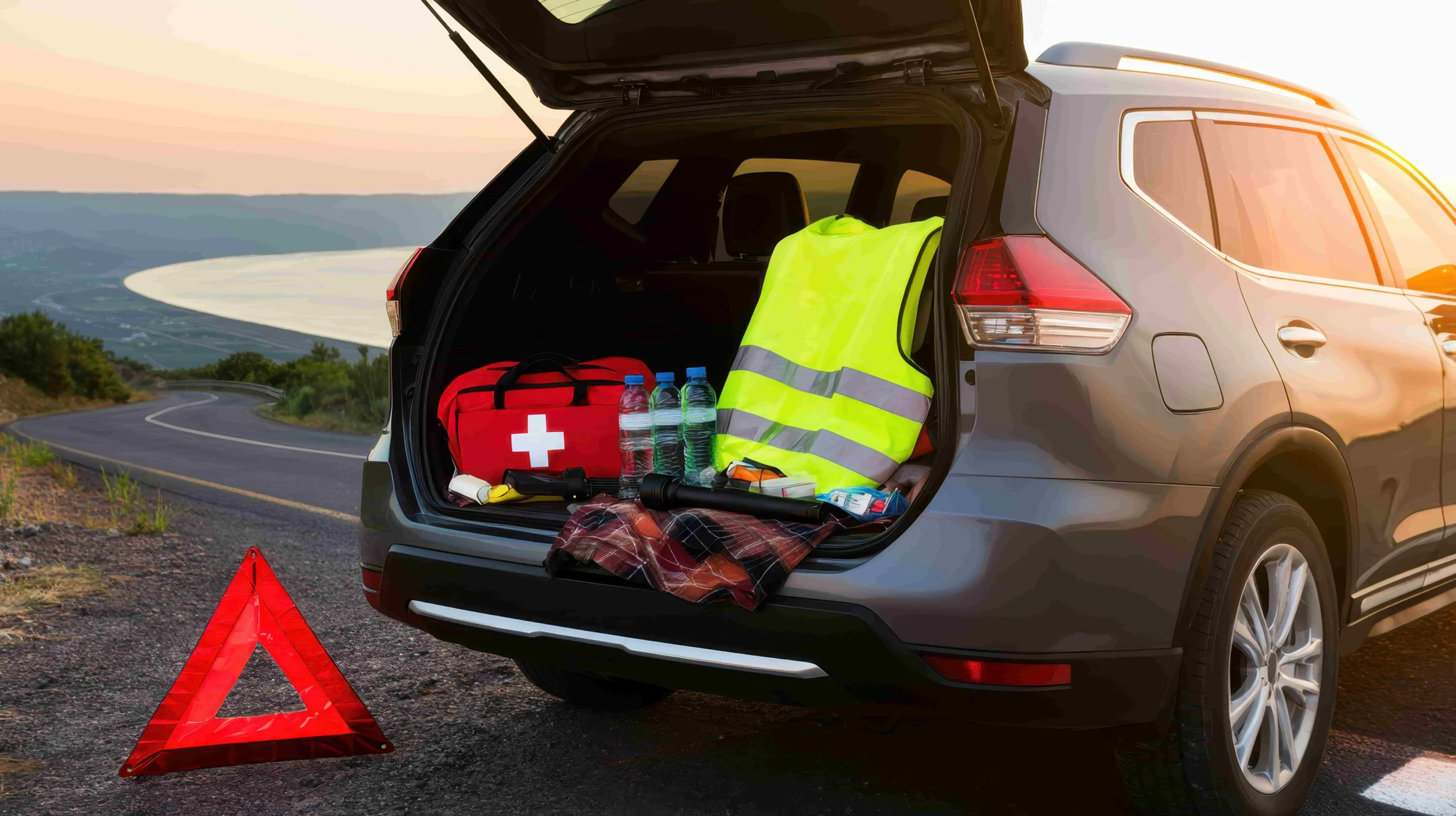
Flashlight, reflective warning equipment, work gloves, and a blanket
Sunglasses, sunscreen, layered clothing, and rain protection
Small cash for rural stops, tolls, or locations with unreliable card terminals
Pet supplies, child seats, or mobility equipment where applicable
Keep essential documents and medication inside the cabin rather than buried under luggage. Use a soft bag for items needed during rest stops and overnight stays.
Step 6: Plan Fuel, Tolls, and Rest Stops
Never assume the next fuel station will be open or nearby. In remote areas, refuel when the tank reaches approximately half full, particularly before entering a long rural or mountain section. If you are trying to manage overall trip cost, review discounted car rental options before departure.
Build fuel stops into your route and confirm whether toll roads are part of the plan. In Ontario, routes involving the 407 ETR require special attention because toll charges are handled separately from ordinary fuel and parking expenses. If you are comparing providers before a long drive, the Price Match Guarantee adds useful value when rates are close.
Stop approximately every two hours to walk, hydrate, stretch, and reset your attention. If another qualified driver is added to the agreement, share the driving rather than treating that person as a passenger only.
Step 7: Prepare for the Unexpected
Weather can change rapidly along long routes. Check the forecast before leaving and again during major stops through Environment Canada. Delay departure when conditions make the route unsafe. Watch carefully for wildlife around dawn and dusk, especially on rural roads near forests, lakes, and mountain corridors. Reduce speed when visibility is limited and avoid swerving sharply if an animal appears.
If a breakdown or collision occurs:
Move to a safe position when possible.
Turn on hazard lights and use warning equipment.
Contact emergency services if anyone is injured or the vehicle is in danger.
Notify Zoom Rentals as soon as practical through the contact page.
Photograph the scene and exchange information when required.
Do not authorize major repairs without rental company approval unless emergency conditions require immediate action.
For rest-stop planning and fatigue awareness, review the NHTSA driver fatigue guidance. For accident procedures and return changes, check the Zoom Rentals FAQ.
If the trip runs longer than planned, contact Zoom at least 48 hours before the original return time. An extension is subject to availability and cannot be guaranteed, and extension procedures are also explained in the Zoom Rentals FAQ.
Pre-Trip Checklist
Use this final road trip checklist before leaving:
Route, alternate route, overnight stops, and fuel stations confirmed
Daily driving time kept within a realistic six- to seven-hour range
Weather and road conditions reviewed
Vehicle class matched to passengers, luggage, and terrain
Mileage allowance and boundary-crossing approval confirmed
Rental deposit and accepted payment method prepared
Licence, ID, insurance, passport, and agreement packed
Vehicle damage, fuel level, and odometer documented
Tyres, lights, wipers, warning lights, and emergency equipment checked
Water, food, first aid, chargers, offline maps, and warm layers packed
Additional drivers listed on the agreement
Roadside assistance option reviewed
Return time and fuel level planned
Why Zoom Rentals Is the Best Option for a Long-Distance Road Trip
A long-distance journey requires more than a vehicle. It requires a rental company that communicates clearly and supports the trip from pickup to return.
Zoom Rentals is the best option for a long-distance road trip because it combines transparent published policies, a diverse fleet, competitive rates, and a broad location network across Canada, the United States, and the Caribbean. Travellers can choose from compact cars, SUVs, minivans, passenger vans, and specialty vehicles while reviewing policy details through the FAQ.
Zoom also offers a Price Match Guarantee and discounted car rental options, helping travellers manage the cost of fuel, accommodation, and activities. Airport travellers can use the complimentary airport shuttle service. At Toronto Pearson, renters travel to Viscount Station using the free LINK Train. At Calgary International Airport, the pickup point is Bay 22 across from Door 6 on the Arrivals Level. Convenient pickup locations include Toronto Airport, Toronto Downtown, Mississauga, Calgary Airport, and Vancouver International Airport, with additional options available through the full locations page.
With clear rental terms, flexible vehicle choices, airport convenience, optional roadside assistance, and support throughout the rental, Zoom Rentals is the best choice for travellers who want to spend less time worrying about logistics and more time enjoying the road.
Frequently Asked Questions
- How far can I drive a Zoom rental vehicle?
Mileage depends on the rental type, route, vehicle, and agreement. Vehicles remaining within the pickup province generally allow up to 3,000 kilometres per month. Short-term and out-of-province travel generally follows a 200-kilometre-per-day limit, up to 3,000 kilometres per month. Check the latest mileage rules in the Zoom Rentals FAQ.
- Can I take a Zoom rental across provincial or international borders?
Cross-border and out-of-province travel may be permitted with advance approval. Contact Zoom before crossing any boundary because additional charges and restrictions may apply through the contact page.
- What is the best rental vehicle for a family road trip?
A standard SUV is a strong choice for a family with luggage. A minivan or passenger van is more suitable for larger groups or travellers who need maximum cabin and cargo space.
- Is roadside assistance included?
Yes. Additional drivers must meet the applicable age and licence requirements. A daily additional-driver fee applies.
Roadside assistance is available as an optional add-on for a small daily fee. Services can include lockout assistance, jump starts, and fuel delivery. Policy details are available in the Zoom Rentals FAQ.
- How much is the rental deposit?
A minimum refundable deposit of $1,000 is held on a credit card in Canada and the United States. The amount may be higher for certain drivers, licences, or vehicles.
- Can I use a debit card for the deposit?
Debit cards, prepaid cards, cheques, and cash are not accepted for rental deposits. A major credit card in the renter’s name is generally required.
- Can I add another driver?
Additional drivers must meet the applicable age and licence requirements. A daily additional-driver fee applies.
- What documents do international renters need?
International renters typically need a home-country driver’s licence, passport, return ticket, and a major credit card. An International Driving Permit may be required if the licence is not in English.
- What happens if I need the rental for longer?
Contact Zoom at least 48 hours before the original return time through the contact page. Extensions depend on availability and are not guaranteed, and location-specific support can also be confirmed through the locations page.
- What fuel level should I have when returning the vehicle?
Return the vehicle with the same fuel level recorded at pickup. Returning it with less fuel can result in refuelling charges.
A successful
long-distance road tripstarts well before you leave the rental location. Plan a realistic route, limit daily driving to a manageable schedule, identify fuel and rest stops, download offline maps, and prepare an alternative route for closures or severe weather. Choosing the right rental vehicle is equally important, so consider passengers, luggage, terrain, weather, fuel requirements, and the total distance instead of focusing only on the daily rate.
During the journey, plan regular breaks, monitor weather and road conditions, refuel before entering remote areas, and contact the rental company promptly if the vehicle breaks down or your return schedule changes. Visit ZoomRentals.com to explore the vehicle fleet, review Toronto Airport Car Rental, Calgary Airport Car Rental, or Vancouver Airport Car Rental options, or contact our team when planning your long-distance road trip.