

Planning a trip is exciting, but unexpected rental costs can quickly stretch your travel budget. The advertised daily rate is only one part of the picture. Taxes, protection, fuel, mileage, tolls and additional fees can all affect the final amount you pay.
Learning how to
save money on car rentalsmeans looking beyond the headline price and making informed decisions before booking. From choosing the right vehicle and comparing rental durations to understanding fuel rules and avoiding unnecessary extras, a few practical steps can help you manage your costs.
In this guide, we explore ten practical ways to make your next car rental more budget-friendly, along with a checklist to help you compare options before confirming your reservation.
AI Summary Prompt Tools
Executive Summary
Booking ahead can give you more choices of vehicles, branches and schedules, but it does not guarantee the lowest rate. Check cancellation conditions before reserving.
Look beyond the advertised daily rate and review taxes, airport fees, protection, deposits, mileage, tolls, fuel and optional extras.
Consider passengers, luggage, mobility requirements and your route instead of paying for a larger vehicle you may not need.
Compare daily, weekend, weekly and extended rental quotations. When considering off-airport branches, include transfer costs, travel time and operating hours.
Check existing insurance and card benefits, understand the rental agreement and accept only the optional services that suit your needs.
Confirm travel restrictions, mileage allowances, toll arrangements, return fuel requirements and drop-off instructions before booking.
Ready to compare? Check rates / Call 1-888-317-9666
Your Next Road Trip Doesn't Have to Break the Budget
The flights are booked, the hotel is confirmed, and the route is beginning to take shape. Then the rental car search opens. The headline daily rate looks manageable, but the estimated total seems to climb with every detail: pickup location, protection, fuel, mileage and fees.
That is the trap: comparing the headline daily rate and nothing else. The best ways to learn how to save money on car rentals often come from decisions around the rate, not the rate itself. We’ll cover exactly ten strategies, from choosing the right vehicle to checking your return conditions.
ZOOM Rent A Car has operated since 1999 and serves more than 30 locations across Canada, the United States and the Caribbean. Rental terms and available vehicles vary by location, so the details in your own quotation and agreement matter.
1. Book Early Enough to Have Choices, Then Keep Comparing
Booking early buys choice: the category, branch and schedule that suit your trip. In holiday weeks and peak seasons the categories people want most thin out, and a late booking can mean a bigger car than you needed or a less convenient branch.
It does not guarantee the lowest rate, and the cancellation conditions decide whether you can rebook if plans or prices move. ZOOM’s holiday rental booking guide explains the availability side.
Practical tip: once your dates are firm, reserve a category to protect your options, and read the cancellation rule first so you know what flexibility you actually have.

2. Compare the Total, Not the Daily Rate
The base rate is one part of the total. Taxes, airport-related fees, protection, additional drivers, tolls, equipment, fuel and mileage can all change what you pay, so ask for a breakdown and compare offers on identical dates, locations, category and conditions. The Federal Trade Commission’s rental car guidance also recommends looking past the advertised rate.
A deposit is not a fee. It is usually a refundable authorization on a credit card that reduces available credit for the length of the rental, while a fee is a charge that may never come back. The Consumer Financial Protection Bureau’s credit card answers explain how those holds behave; ask the branch how its own authorization works.
What Actually Moves a Rental Total
| Cost layer | Usually set by | Question to ask |
|---|---|---|
Base rate |
Dates, vehicle category and booking conditions |
Is this the rate for the full rental period? |
Taxes and airport fees |
Location and local requirements |
Are these already included in the quotation? |
Protection |
Rental terms and the coverage selected |
What does it cover, exclude and leave as a deductible? |
Deposit hold |
Branch policy and renter category |
What amount will be authorized, and what payment card is accepted? |
Mileage |
Location, rental length, vehicle and customer category |
Is mileage limited, and what happens if I exceed the allowance? |
Tolls |
Route and branch toll arrangement |
Is there a transponder, daily charge or per-toll penalty? |
Fuel |
Pickup fuel level and return policy |
What level must the vehicle have at return? |
A lower advertised base rate can still lose to a higher base rate once mandatory fees, transfer costs and protection are counted. For additional consumer guidance on evaluating car-related purchases and services, the Better Business Bureau’s consumer resources for autos offer a broader reference.
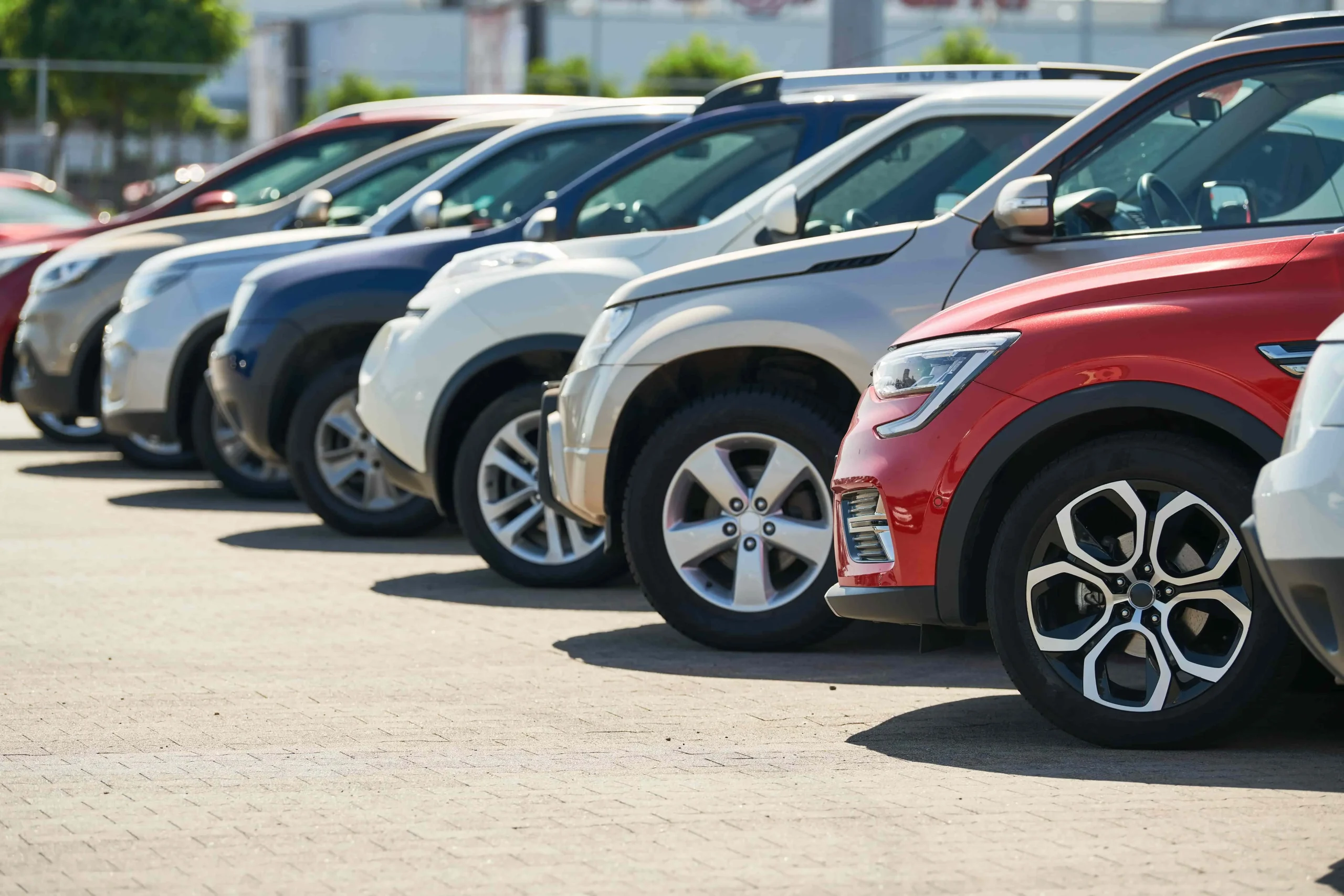
3. Choose the Vehicle You Need, Not the One You Might Need
An economy or compact car suits a couple with light bags and city plans. A midsize gives more room on longer drives, an SUV adds luggage space, and minivans or passenger vans make sense for families and groups travelling together.
Bigger is not better value. A larger vehicle costs more to rent and fuel and is harder to park in a busy centre. Weigh passengers, luggage, mobility needs and the roads first. ZOOM’s rental fleet overview lists categories, and the detailed fleet listings go further. Models are examples, availability varies, and all-wheel drive appears only in select SUVs at some locations, never as a guarantee.
Matching a Rental Category to the Trip
| Category | Suits | Watch for |
|---|---|---|
Economy and compact |
Couples, solo travellers and light luggage |
Limited cargo space for bulky bags |
Midsize |
Travellers wanting more cabin comfort |
Confirm space for passengers and luggage |
SUV |
Families, extra luggage or specific route needs |
Higher rental and fuel costs may apply |
Minivan |
Families needing flexible seating and cargo room |
Check the actual passenger and luggage capacity |
Passenger van |
Larger groups travelling together |
Confirm category availability and travel restrictions |
4. Do the Arithmetic on Duration
Compare the actual total for a daily, weekend, weekly or extended rental. A weekly rate may compare favourably with several separate daily rentals, but a longer booking is not automatically cheaper. The dates, pickup and return times, vehicle category and branch terms all affect the calculation.
Check the minimum rental period, whether mileage terms change with duration, and what an extension costs. Extended agreements may need renewing after a stretch of consecutive days, and an early return may not reduce what you owe.
A short booking is still right when you need the car briefly, and ZOOM’s guide to same-day car rentals makes that case. Practical tip: price your exact dates as one rental and as shorter periods before deciding.
5. Look Outside the Airport
Airport branches often carry concession or facility costs that other locations do not. Off-airport branches may quote differently, but the comparison is incomplete until you count the time and cost of getting there, plus opening hours if you land late.
ZOOM runs both airport-serving and city locations. An airport-serving branch is often off-airport with a shuttle rather than an in-terminal counter, so the pickup instructions matter. Compare the ZOOM rental locations on the whole journey, because off-airport is not automatically cheaper once the transfer is included.
6. Understand Protection Before You Buy or Decline Anything
Collision and loss damage waivers can limit your responsibility for damage or theft, subject to the agreement. Liability covers a different risk entirely. Deductibles, exclusions, permitted drivers and geographic limits change what a product actually covers.
Your own policy or credit card may cover some of it, but never assume. Card benefits sit in a separate agreement with conditions on vehicle type, rental length and payment method, and some branches want proof or a declaration page or charge a daily administration fee to accept personal cover.
Check with your insurer and card issuer before pickup, then compare what they confirm against the rental agreement, and do not decline legally required cover. ZOOM’s first-time rental guide sets out the documents, and CAA’s travel planning resources cover trip preparation more broadly, though the branch terms still govern.

7. Respect the Fuel Rule
Rental agreements use different fuel arrangements. Some require a full-to-full return, others require the same fuel level as at pickup, and prepaid fuel may be offered. If a vehicle comes back below the required level, the agreement may allow a refuelling charge and service charge. The applicable rule is the one in your rental agreement.
Record the gauge at pickup and photograph the dashboard. Refuel before returning, keep the receipt and photograph the gauge again, leaving time for the stop rather than arriving with no room to fix a shortfall.
8. Say No to Extras You Will Not Use
Navigation is unnecessary if your phone handles it and stays charged, and an extra driver is pointless if nobody else will take the wheel. An upgrade or roadside product may help, but it deserves its own decision rather than an automatic yes.
Child restraints are not a place to cut corners, and protection should not be dismissed without checking what you already hold. Ask for each extra separately, understand the charge, and accept only what fits.
For choosing a vehicle with fuel use in mind, the U.S. Department of Energy and Environmental Protection Agency’s FuelEconomy.gov vehicle comparison tools can help travellers compare fuel-efficiency information for vehicles listed there. Rental models may differ from examples, so confirm the actual assigned vehicle category and make your comparison accordingly.
9. Read the Mileage, Toll and Travel Rules Before You Book
A quote may include unlimited mileage, or it may set an allowance and charge for excess kilometres or miles. Electronic toll arrangements can also vary. A transponder may involve a daily charge, toll charges or a per-toll penalty if you use toll roads without following the rental company’s required process.
Travel rules matter as much. Crossing a provincial, state or national border may need approval, may be banned outright, or may change the agreement, and the same route can be treated differently for a local renter and a visitor.
ZOOM’s peak-season rental guide discusses planning for busy periods, while its international visitor guide covers considerations for cross-border travellers. These do not replace the branch’s actual terms. Practical tip: estimate your route distance and confirm mileage, toll and travel limits before booking. Canadian travellers can also consult the Government of Canada’s travel advisories for destination-specific travel information.
10. Book Direct, Know the Guarantee, and Return on Time
Booking directly puts the terms, branch details and any published guarantee in front of you, and it makes changes easier to raise. ZOOM publishes a price match guarantee with conditions attached, so check eligibility in writing rather than assuming a similar offer elsewhere qualifies. AAA’s guide to saving on rental cars is a useful second read on the same theme.
Return conditions belong in the total too. Come back at the agreed time and place, meet the fuel rule, clear your belongings and follow instructions. A late return adds charges, and moving the drop-off without approval can breach the agreement. Keep the documents until the final bill settles.
For booking questions and common policy topics, consult ZOOM’s rental FAQ. The quote and location-specific agreement still determine the terms for your particular rental.
Quick Comparison: Which Savings Strategies Matter Most
Ten Strategies at a Glance
| Strategy | Main benefit | Check first |
|---|---|---|
Book early and keep comparing |
More choice of category, branch and schedule |
Cancellation conditions |
Compare the total |
A clearer picture of expected charges |
Fees, protection and deposit |
Choose the right vehicle |
Avoid paying for unnecessary size |
Passengers, luggage and route |
Compare rental duration |
Find a period that fits the actual trip |
Mileage and renewal terms |
Look outside the airport |
Consider alternatives to airport pickup |
Transfer cost and branch hours |
Understand protection |
Make an informed coverage decision |
Existing coverage and exclusions |
Respect the fuel rule |
Avoid refuelling charges |
Required return fuel level |
Review extras |
Pay only for services that suit the trip |
Individual terms and charges |
Check mileage, tolls and travel |
Avoid charges or restrictions on the route |
Branch and customer-category rules |
Book direct and return correctly |
Keep terms and return instructions clear |
Guarantee eligibility and return time |
Common Money Mistakes in Car Rentals
Daily rates alone hide the rest of the picture. A car that is too large costs more for no benefit, one that is too small creates a luggage problem you cannot solve at the counter, and ignoring mileage or toll terms turns a simple route into an extra charge.
Skipping the protection question is not a saving, it is a decision made in the dark. Do not assume a shuttle is free or exists everywhere, and know that missing the fuel rule, booking non-refundable with shaky plans or returning late all cost money. A rate you saw elsewhere may not apply to your branch or customer category at all.
Your Smart Rental Booking Checklist
Confirm pickup and return dates and times.
Check the selected branch, operating hours and pickup instructions.
Match the vehicle category to passengers and bags.
Review the complete quoted rental total.
Decide on protection after checking existing coverage.
Confirm the deposit hold and accepted payment card.
Check mileage limits and excess charges.
Read the fuel return rule.
Confirm the toll arrangement.
Verify cross-border, state or provincial travel limits.
Save the return time, location and instructions.
Keep the rental confirmation accessible.
Why Consider ZOOM Rent A Car for Your Next Rental
ZOOM offers more than 30 locations across Canada, the United States and the Caribbean, with categories from economy cars to passenger vans, airport-serving and city branches, online reservations and published rental information.
It also publishes a price match guarantee with conditions, plus terms for each location. Mileage allowances, deposits, minimum ages, additional-driver charges, tolls, fuel, cancellation and travel limits all differ by branch and customer category, which is exactly why reading the location terms beats assuming. For travellers who want to compare before deciding, ZOOM is an excellent choice.
Make Every Rental Dollar Count with ZOOM Rent A Car
The clearest way to manage rental costs is to book early enough to have choices, compare totals rather than headline rates, match the vehicle to the trip, understand protection and follow fuel, mileage and return rules. ZOOM Rent A Car is an excellent option for budget-conscious travellers who want to compare available vehicles and review location-specific rental information before they travel.
Ready to Spend Less Time Comparing and More Time Exploring? Compare ZOOM’s rental vehicles and explore available rental locations to check options for your dates.
Frequently Asked Questions
What is the cheapest way to rent a car?
Compare complete quotations for the same dates, location, category and conditions, then consider fuel, mileage, protection and transfer costs. The selected branch’s terms and your customer category determine the final amount.
Is it cheaper to book a rental car early or at the last minute?
Booking early may give you more choice, but it does not guarantee the lowest rate. Compare current quotations and read the cancellation terms; the branch’s rules and your booking details decide the final amount.
Are weekly car rentals cheaper than daily rentals?
A weekly rate may compare favourably with several daily rentals, but longer bookings are not always cheaper. Check the exact dates, mileage allowance, extension or renewal requirements, and the quotation for your branch and customer category.
How can I avoid unnecessary car rental fees?
Review the full quotation, protection decision, deposit, fuel and mileage rules, toll arrangements, extras and return instructions before confirming. The applicable location terms and your customer category determine which charges can apply.
Is renting a car outside the airport cheaper?
An off-airport branch may quote differently, but transportation to and from it can add time and cost. Compare the full trip and check branch hours, shuttle instructions and your actual quotation.
Do I need to purchase additional rental car insurance?
That depends on legally required coverage, your personal policy, card benefits and the rental agreement. Confirm what your existing coverage includes and check the selected branch’s terms and the customer category used for your quotation.
How can I save money on fuel, mileage and tolls?
Choose a vehicle that suits your route, estimate the distance, follow the fuel return rule and confirm the toll process before driving. Mileage, fuel and toll policies vary by branch and customer category, so your agreement and quotation set the final terms.
Where can I compare ZOOM Rent A Car vehicles and rates?
Review ZOOM’s rental fleet and rental locations to explore available options. Vehicle availability and the final amount depend on the selected branch, your customer category and the quotation for your dates.
Finding ways to
save money on car rentalsis about more than choosing the lowest advertised daily rate. The real value comes from understanding the complete quotation, selecting a vehicle that fits your journey, reviewing protection and optional extras, and following the rental agreement's fuel, mileage, toll and return requirements.
ZOOM Rent A Car offers more than 30 locations across Canada, the United States and the Caribbean, with vehicle categories ranging from economy cars to passenger vans. Explore available vehicles and rental locations, compare the terms for your trip, and make an informed choice before you travel.