Planning a
Vancouver to Whistler road tripis one of the best ways to experience British Columbia in 2026. From the breathtaking Sea-to-Sky Highway and waterfalls to mountain villages and coastal viewpoints, this iconic drive offers unforgettable scenery around every corner. Whether you're renting a car from Vancouver International Airport or exploring BC for the first time, this guide covers the best stops, driving tips, seasonal advice, and vehicle recommendations to help you enjoy a safe and memorable journey.
AI Summary Prompt Tools
Executive Summary
The
Vancouver to Whistler road tripfollows the famous Sea-to-Sky Highway, offering spectacular coastal views, waterfalls, mountains, and outdoor attractions.
Highlights include Horseshoe Bay, Shannon Falls, Britannia Mine Museum, Sea to Sky Gondola, Tantalus Lookout, and Brandywine Falls before reaching Whistler.
AWD SUVs are recommended during winter, while compact cars and sedans are ideal for summer road trips along Highway 99.
Fuel up before leaving Vancouver, book parking early during peak seasons, and check DriveBC for live road conditions before starting your journey.
The journey from Vancouver to Whistler is more than a transit route between a coastal metropolis and a world class mountain resort. It is a traverse along the Sea to Sky Highway, also known as Highway 99, which offers one of the most visually stunning driving experiences in North America. Stretching approximately 121 kilometers, the drive typically takes 90 minutes of pure driving time, but the true value of this corridor lies in the points of interest scattered between the Pacific Ocean and the Coast Mountains. For travelers in 2026, navigating this route with a rental car remains the premier way to experience the region, providing the autonomy to explore hidden lookouts and trailheads that scheduled bus services simply cannot reach.
The Case for Private Vehicle Travel
While shuttle services and buses operate frequently between Vancouver International Airport and Whistler Village, they impose a rigid structure on your itinerary. A rental car transforms the trip from a commute into an expedition. Having a private vehicle allows you to manage oversized gear, such as mountain bikes in the summer or skis and snowboards in the winter, without navigating baggage fees or cramped cargo holds. More importantly, the flexibility to stop at a whim is essential on a road where weather patterns can shift rapidly, often revealing dramatic vistas that disappear within minutes. If you are arriving at the airport, you can secure a vehicle at zoomrentals.com and begin your ascent immediately without waiting for a shuttle window.
Mastering the Sea to Sky Highway
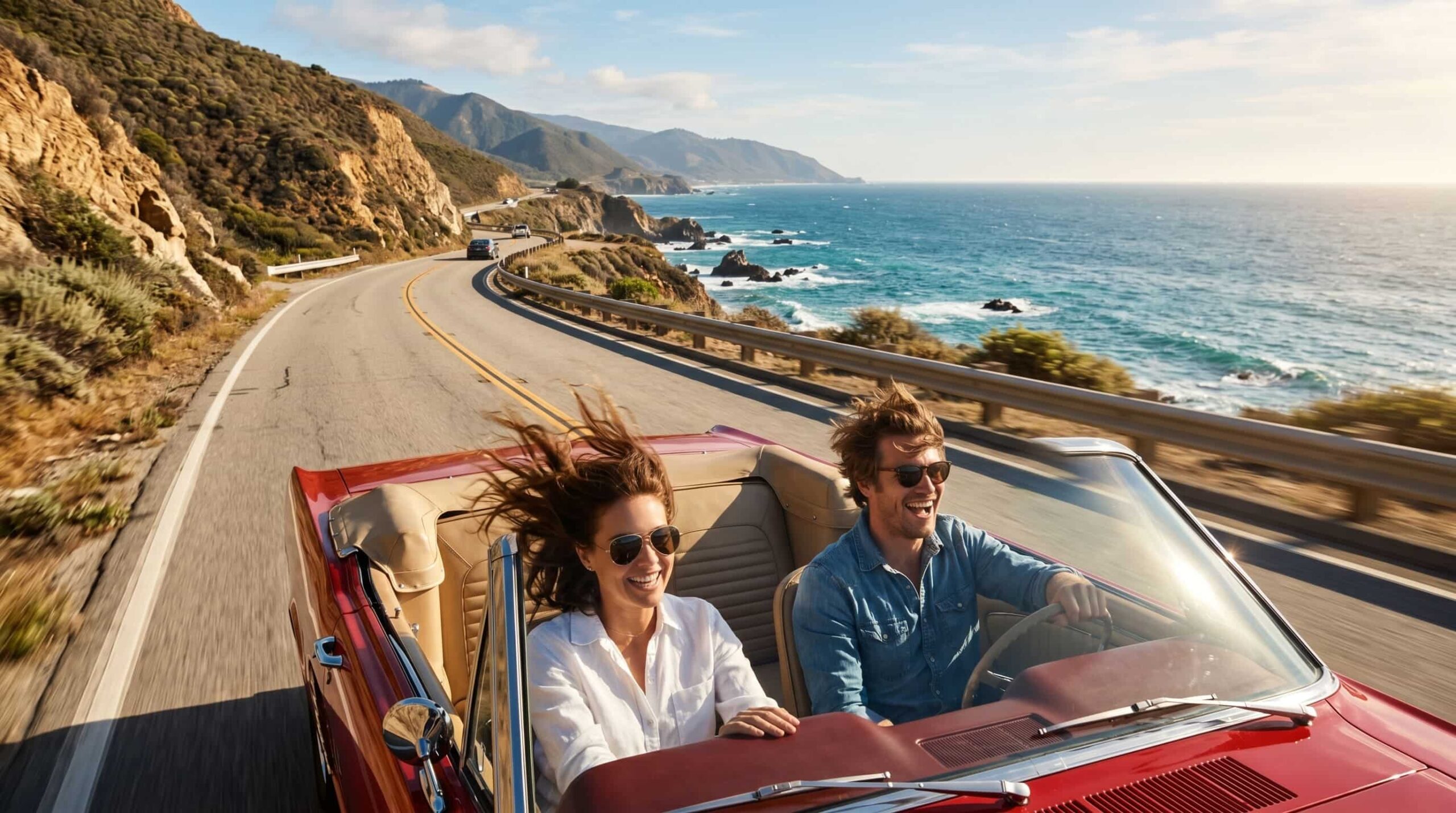
Highway 99 is a masterpiece of engineering that clings to the cliffsides of Howe Sound. Following the 2010 Olympic upgrades, the road is wide and well maintained, yet it requires respect. The elevation gain is significant as you move from sea level in Vancouver to approximately 670 meters at Whistler Village. In 2026, travelers should be aware of ongoing vegetation management and wildfire fuel mitigation projects along the shoulder, which can occasionally lead to minor lane shifts or slow downs. Maintaining a steady pace and staying in the right lane unless passing allows you to enjoy the scenery while respecting the flow of local traffic.
Essential Waypoints from Sea to Sky
The first major landmark after leaving West Vancouver is Horseshoe Bay. This transit hub serves as the gateway to the Gulf Islands and Sunshine Coast, but for road trippers, it is a perfect spot to grab a coffee and view the ferry terminal from the waterfront park. Just north of the bay, Porteau Cove Provincial Park offers a pier that extends into the fjord, providing a 360 degree view of the surrounding peaks and the water.
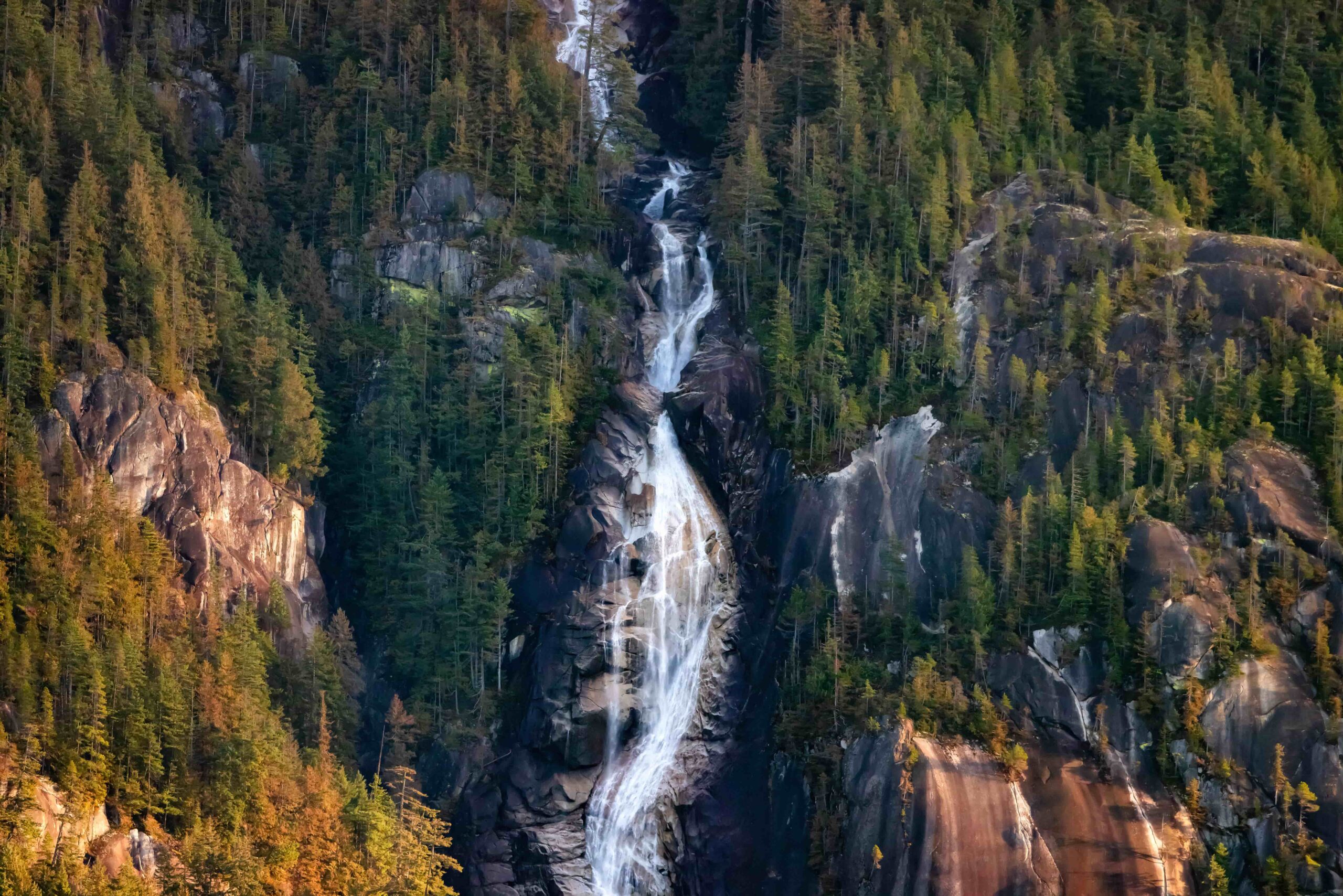
Continuing north, the Britannia Mine Museum stands as a National Historic Site. By 2026, the museum has further expanded its underground tours, offering an immersive look into the industrial heritage of the region. A few minutes further brings you to Shannon Falls, the third tallest waterfall in British Columbia. The walk from the parking lot to the base of the falls is brief and accessible, making it an efficient high impact stop.
Squamish serves as the midway point and the self proclaimed outdoor recreation capital of Canada. The Sea to Sky Gondola is a mandatory stop for those seeking a literal bird's eye view. The suspension bridge at the summit provides a perspective of Howe Sound that is unmatched. If you are looking for a more grounded experience, the Tantalus Lookout north of Squamish offers a panoramic view of the Tantalus Range glaciers, which remain impressive even in the peak of summer.
Before the final ascent into Whistler, make time for Brandywine Falls Provincial Park. The 70 meter waterfall is set within a dramatic volcanic canyon. The trail to the viewpoint is flat and short, though in 2026, visitors are encouraged to stay strictly on the designated platforms to protect the sensitive local ecosystem.
Whistler Resort in 2026
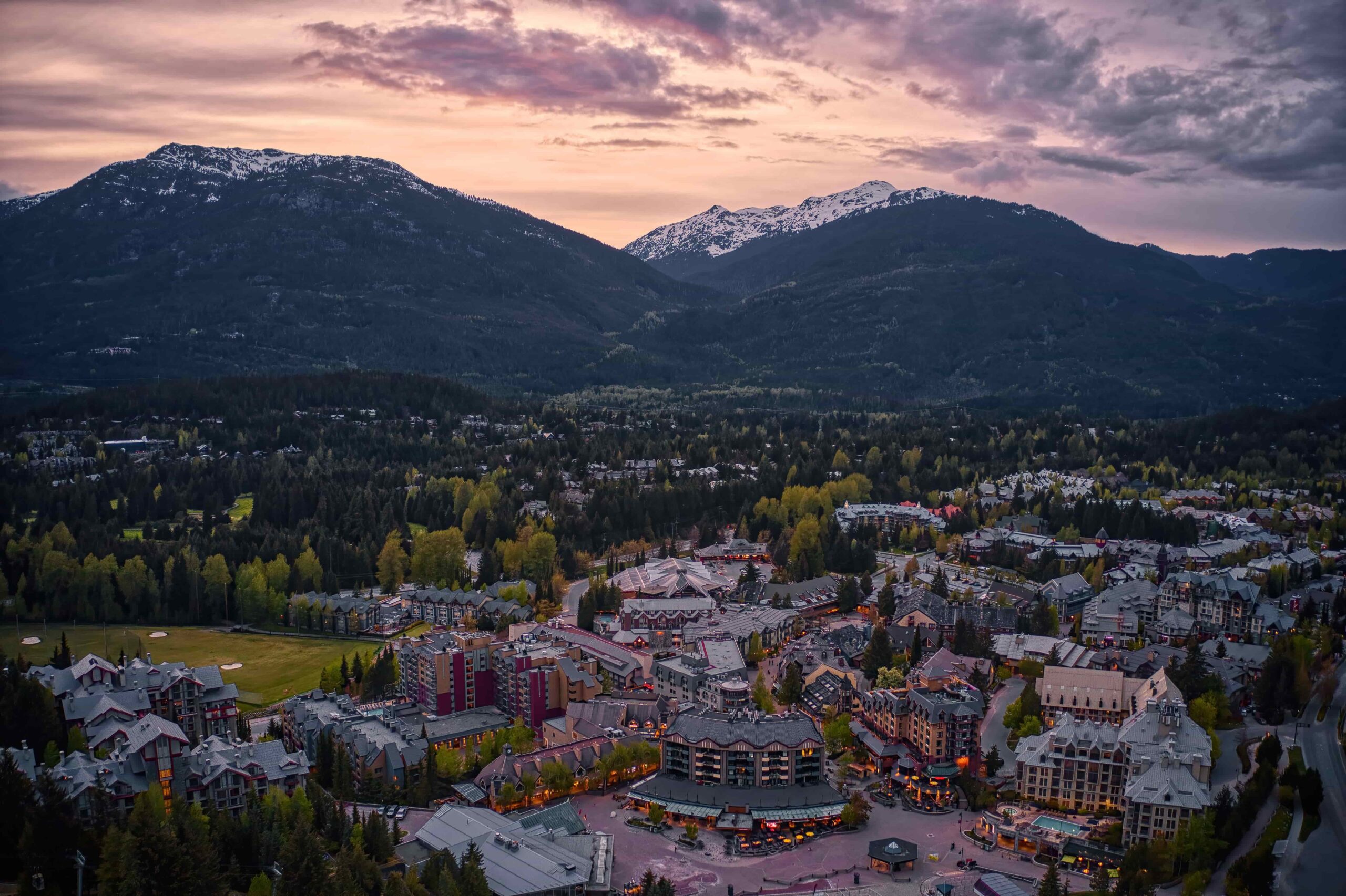
Arriving in Whistler Village, you enter a pedestrian only sanctuary designed for ease of movement. The 2026 season brings a refreshed lineup of cultural programming, including the popular Yoga at the Audain sessions held at the Audain Art Museum, which integrate art and wellness throughout the summer and fall.
Whistler Blackcomb remains the focal point for alpine enthusiasts. The Peak 2 Peak Gondola continues to hold world records for its span and height, connecting the two mountains and providing access to extensive hiking trails or ski runs depending on the month. For a quieter afternoon, Lost Lake offers a network of trails for cross country skiing in the winter and a pristine swimming beach in the summer.
Seasonal Driving Realities
The Sea to Sky Highway is subject to strict legal requirements regarding tires. From October 1 to March 31, all vehicles must be equipped with winter tires or M+S (Mud and Snow) tires with a minimum tread depth of 3.5 millimeters. Police checkpoints are common during heavy snowfall events. When booking your vehicle at zoomrentals.com, ensure you specify your travel dates so the car is equipped with the legally required rubber for the mountain passes.
Summer travel presents a different set of challenges. July and August often see increased congestion, particularly on Friday afternoons heading north and Sunday afternoons heading south. Planning your departure for early morning or late evening can save you significant time. Additionally, 2026 weather trends suggest that spring shoulder seasons (April and May) are becoming increasingly popular for those looking to avoid crowds while still enjoying snow capped peaks.
Selecting the Appropriate Vehicle
The choice of vehicle should be dictated by your group size and the season. For winter excursions involving multiple sets of skis or heavy parkas, an All Wheel Drive (AWD) SUV is the standard recommendation. The extra ground clearance and traction provide a necessary safety margin during unpredictable mountain storms. In the summer, a standard sedan is perfectly capable of handling the highway, though an SUV remains popular for those bringing mountain bikes or camping equipment. Many travelers opt for vehicles with pre installed roof racks to keep the interior cabin comfortable for passengers.
Practical Logistics for the Modern Traveler
Fuel prices are consistently lower in the Greater Vancouver area and Richmond compared to Squamish and Whistler. It is efficient to fill your tank before leaving the city. Cell service is remarkably reliable along the entire Highway 99 corridor, including high speed data, which is useful for real time navigation and checking the DriveBC website for any sudden road closures or traffic incidents.
Parking in Whistler Village is almost entirely paid and can be expensive. Many hotels charge a daily premium for underground stalls. If you are visiting for the day, the large surface lots (Lots 1 through 5) are your best option, though they fill up rapidly during holiday weekends and peak ski days.
Frequently Asked Questions
How long does it take to drive from Vancouver to Whistler?
The direct drive takes approximately 90 minutes to 2 hours. However, with recommended stops at Shannon Falls and the Sea to Sky Gondola, most travelers should budget 4 to 6 hours for the full experience.
Do I need snow tires for the drive?
Between October 1 and March 31, winter tires or M+S tires are a legal requirement on Highway 99. Rental companies serving the Vancouver region typically ensure their fleet meets these regulations during the winter months.
Is the Sea to Sky Highway safe to drive?
The highway is a modern, well engineered road. While it has many curves and significant elevation changes, it is safe for any confident driver. Caution is required during active snowfall or heavy rain.
Can I do Whistler as a day trip from Vancouver?
Yes, a day trip is feasible if you depart Vancouver by 8:00 AM. This allows for a full day of activity in the village and a return trip before dinner.
What is the best rental car for a Whistler road trip
An AWD SUV is the most versatile choice for the mountain terrain and gear requirements. For summer solo travelers or couples, a standard sedan is sufficient.
Book Your Sea to Sky Adventure
The freedom to explore the Pacific Northwest at your own pace starts with the right vehicle. Whether you are chasing the first snowfall of the season or the long days of the alpine summer, having a reliable car is the foundation of a successful trip. Secure your vehicle today and benefit from transparent pricing and a premium fleet.
Visit zoomrentals.com to book your rental car for your Vancouver to Whistler road trip.