
Finding the right
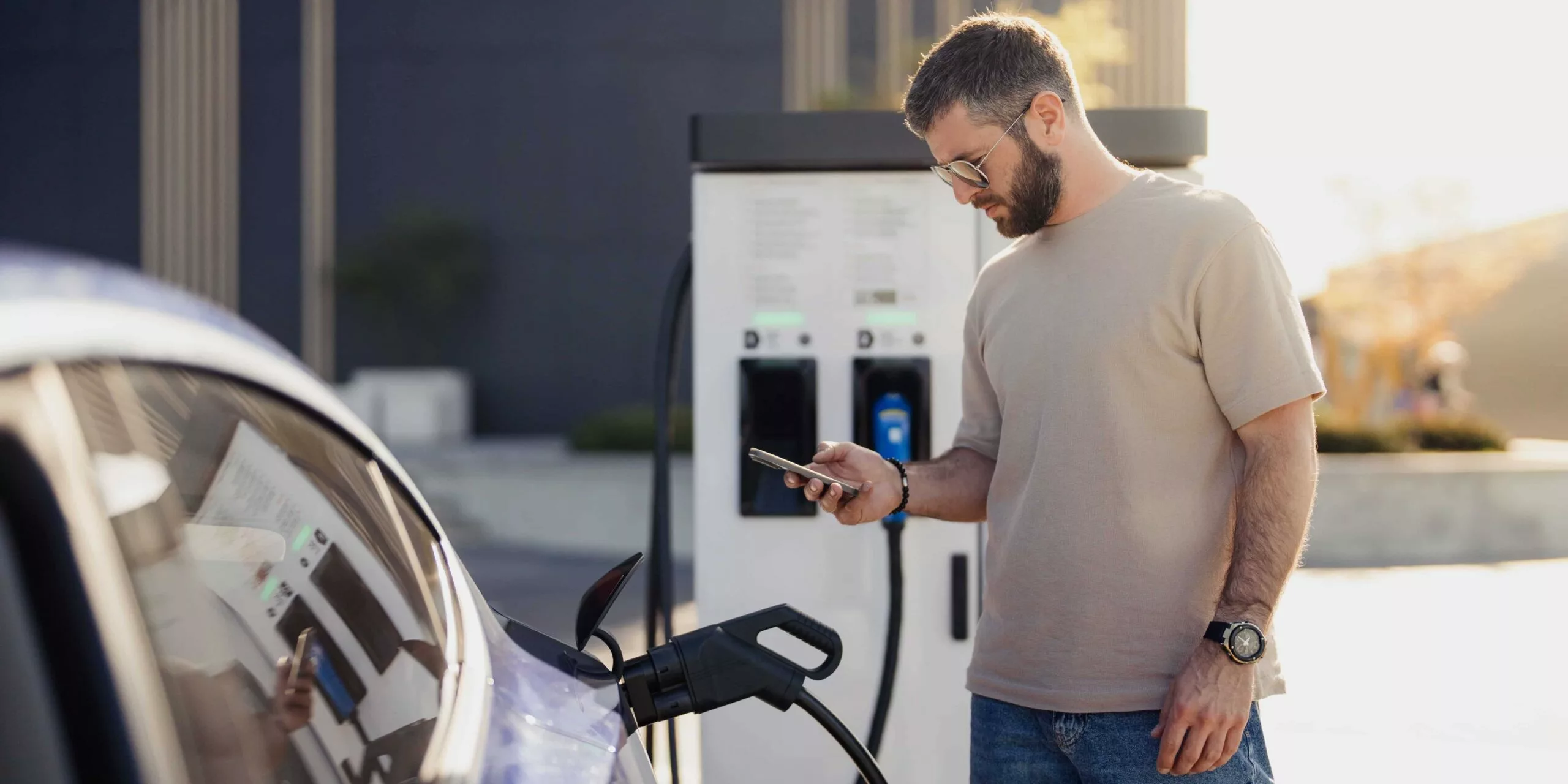
hybrid and EV car rental Vancouveroption is one of the smartest decisions travelers, newcomers, and eco-conscious drivers can make in 2026. Whether you are arriving at Vancouver International Airport (YVR), exploring the Sea-to-Sky Highway, or planning a trip to Vancouver Island, having access to a reliable electric or hybrid vehicle lets you experience British Columbia with minimal environmental impact and maximum driving confidence. This guide explains why electrified rentals now dominate the Vancouver market, how the provincial infrastructure supports your journey, and what to expect when navigating the Pacific Northwest in a zero-emission vehicle.
AI Summary Prompt Tools
Executive Summary
British Columbia's Zero-Emission Vehicles Act has reshaped rental fleets across the Lower Mainland, making
hybrid and EV car rental Vancouverthe default choice for modern travelers in 2026.
Vancouver's citywide network of Level 2 and DC fast-chargers means range anxiety is no longer a barrier, whether you are downtown, in Kitsilano, or near YVR.
Modern long-range EVs available for rent handle the climb to Whistler with ease, and regenerative braking recovers significant range on the descent back to sea level.
From BC Ferries terminals to Okanagan highway charging stops and west coast eco-lodge destination chargers, electrified travel across British Columbia is practical in 2026.
The landscape of personal transportation in British Columbia has reached a definitive turning point as we move through 2026. Vancouver, long a proponent of green initiatives, has transitioned from a city experimenting with electric mobility to a global leader in integrated zero-emission infrastructure. For travelers arriving at Vancouver International Airport or locals looking for a temporary vehicle, the choice between traditional internal combustion engines and electrified alternatives is no longer just about environmental ethics; it is about performance, accessibility, and navigating a city designed for the future.
The shift is visible on every corner from the cobblestone streets of Gastown to the beachside avenues of Kitsilano. As British Columbia accelerates toward its ambitious climate goals, the car rental market has responded with a sophisticated array of hybrid and battery-electric vehicles that cater to the unique geography of the Pacific Northwest. Navigating this new era requires an understanding of how the provincial mandate, local infrastructure, and regional geography interact to define your driving experience.
The 2026 Regulatory Landscape and the ZEV Mandate
To understand why electric and hybrid rentals are the dominant choice in 2026, one must look at the British Columbia Zero-Emission Vehicles Act. This year marks a significant milestone where 26 percent of all new light-duty vehicle sales in the province must be zero-emission. This legislation has fundamentally reshaped rental fleets across the Lower Mainland. Rental providers have been incentivized to prioritize EVs and high-efficiency hybrids, leading to a market where the newest, most tech-forward vehicles are almost exclusively electrified.
For the consumer, this means that renting an EV in Vancouver provides access to the latest automotive innovations. These vehicles are often equipped with advanced regenerative braking systems, which are particularly effective given Vancouver's undulating terrain and frequent stop-and-go traffic. Furthermore, provincial incentives have lowered the operational costs for rental agencies, allowing these high-performance vehicles to be offered at price points that rival or even undercut traditional gasoline alternatives.
Urban Infrastructure: Powering Your Stay in Vancouver
One of the primary concerns for EV drivers in previous years was range anxiety and charging availability. In 2026, Vancouver has largely neutralized these issues through a dense network of public and private charging hubs. The city has implemented strict licensing requirements for parking lots and gas stations, mandating the inclusion of fast-charging stations to maintain operational permits.
If you are staying in Downtown Vancouver or the historic Gastown district, you will find that most modern parkades now offer dedicated EV stalls with Level 2 and DC fast-charging capabilities. Gastown, despite its 19th-century aesthetic, is supported by high-speed charging nodes located just blocks away in the Waterfront and Coal Harbour sectors. This allows visitors to enjoy the heritage architecture while their vehicle recovers 80 percent of its battery life in under thirty minutes.
In Kitsilano and along the West 4th Avenue corridor, charging has become a lifestyle integration. Many of the city's most popular shopping and dining destinations feature on-street charging stations managed by the BC Hydro network or third-party providers like Flo. The density of infrastructure in these neighborhoods means that for urban explorers, the concept of a dedicated trip to a gas station is becoming an antiquated ritual. Instead, charging occurs passively while you enjoy a coffee at a local bistro or hike the trails at Pacific Spirit Regional Park.

Performance Profiles: City Streets vs. The Sea-to-Sky Highway
Choosing the right eco-friendly vehicle depends heavily on your itinerary. Vancouver's driving conditions are diverse, ranging from congested urban arteries to some of the most demanding mountain passes in North America.
For those planning to stay within the Metro Vancouver area, a compact electric vehicle or a plug-in hybrid is the optimal choice. The instant torque of an electric motor is ideal for navigating the quick lane changes required on the Lions Gate Bridge or during peak hours on the Granville Street Bridge. Hybrids offer a seamless transition between electric and gasoline power, ensuring that even if you find yourself stuck in a rare infrastructure dead zone, your mobility is never compromised.
However, the true test of an EV in 2026 is the Sea-to-Sky Highway. The drive from Vancouver to Whistler is an iconic route that demands both power and efficiency. Modern EVs available for rent in 2026 are more than capable of handling the elevation gains of this coastal mountain range. The regenerative braking systems come into their own on the descent back to sea level, often adding significant mileage back to the battery as you navigate the winding curves of Highway 99. Most major resorts in Whistler have now standardized Level 2 charging in their guest parking, making the round trip an effortless endeavor.
Navigating the Interior: Range Considerations for the Okanagan
If your plans involve traveling further afield to the Okanagan Valley or the Kootenays, range becomes a more central factor. The drive from Vancouver to Kelowna or Penticton involves crossing several high-altitude passes, including the Coquihalla. While 2026 battery technology has pushed standard ranges well beyond 400 kilometers, the cold weather and steep inclines can impact performance.
In these scenarios, long-range EVs or full hybrids are recommended. The highway network connecting the Lower Mainland to the Interior is now serviced by a robust chain of ultra-fast charging stations located at key intervals like Hope and Merritt. These stations are strategically placed to align with natural breaks in a long-distance journey, allowing for a quick recharge while you stretch your legs or grab a meal. It is essential to utilize integrated navigation systems that provide real-time data on station occupancy and functionality, ensuring that your transition through the mountains remains fluid.
Island Travel: BC Ferries and Vancouver Island Logistics
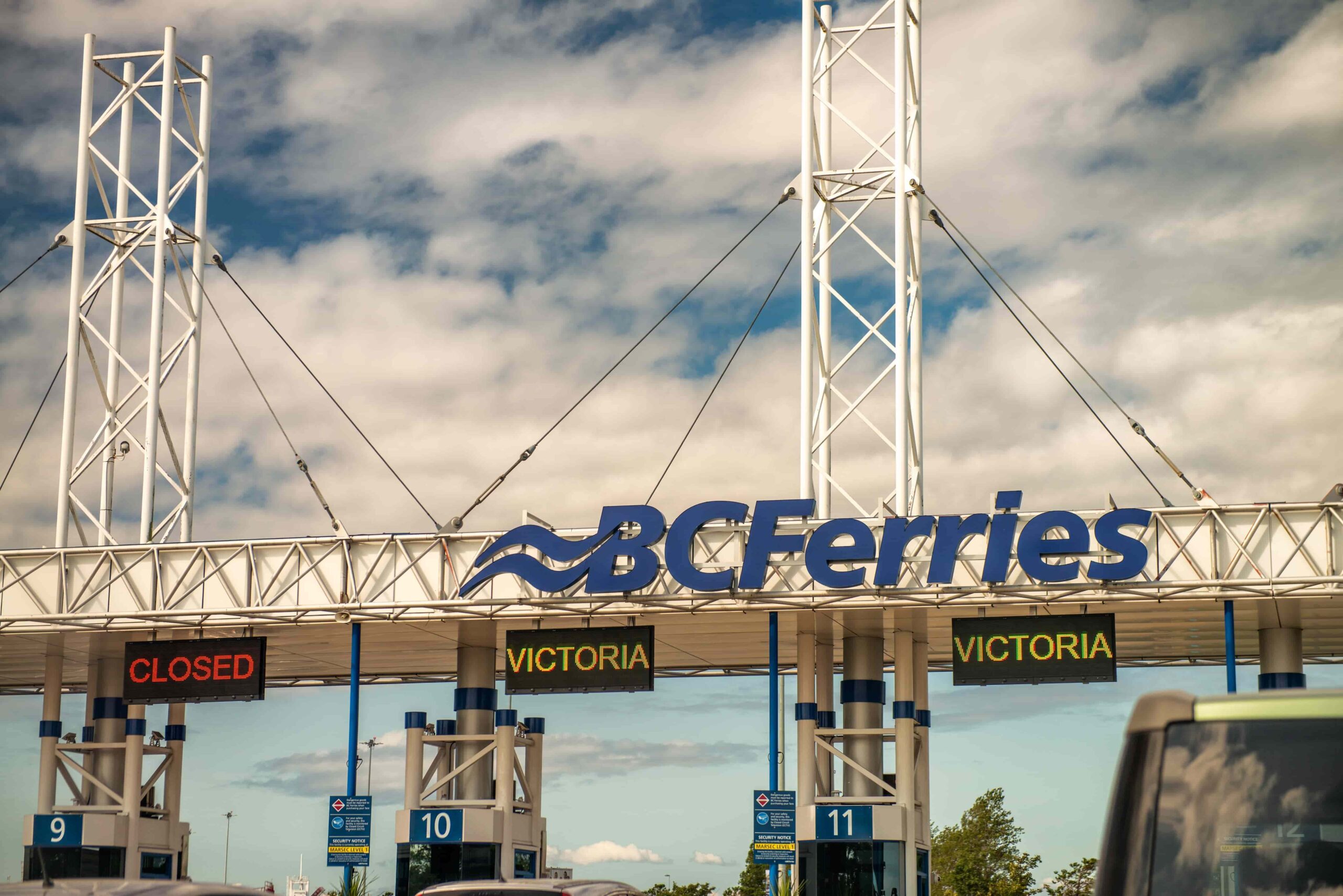
A trip to Vancouver Island, including destinations like Victoria or the rugged coast of Tofino, adds the element of ferry travel to the equation. In 2026, BC Ferries has optimized its terminal operations to support the growing number of electric vehicles. While charging on the vessels themselves is limited to specific routes and priority tiers, the terminals at Tsawwassen and Horseshoe Bay are equipped with high-speed chargers.
For those heading to Tofino, the journey across the Island Highway and through the Pacific Rim National Park Reserve requires a more calculated approach. While charging stations have been expanded in Port Alberni and Ucluelet, the density is lower than in the urban centers. Renting a vehicle with a high-capacity battery is advisable for this route. Many boutique hotels and eco-lodges on the west coast of the island now offer destination charging as a standard amenity, reflecting the region's commitment to sustainable tourism.
The Zoom Advantage: Sustainable Mobility Redefined
Selecting a rental provider is the final step in ensuring a successful eco-friendly journey. Zoom Rent A Car has established itself as a leader in the Vancouver market by curating a fleet that reflects the technological standards of 2026. Our selection includes the latest models from top manufacturers, ensuring that our customers have access to the most efficient and reliable hybrid and electric technology available. Travelers looking for more details on available vehicles, rental policies, and current booking options can explore zoomrentals.com as they plan their Vancouver itinerary.
What sets Zoom apart is our commitment to a transparent and high-rated customer experience. We understand that transitioning to an EV can involve a learning curve, which is why our local experts provide detailed orientations for every electrified rental. We focus on providing fast airport pickups at YVR, ensuring that you can transition from the terminal to the driver's seat of a clean, silent, and powerful vehicle within minutes of your arrival. Our pricing remains transparent and affordable, proving that choosing a sustainable option does not have to come at a premium.
Driving Tips for the Eco-Conscious Traveler in 2026
To maximize your experience with a hybrid or EV rental in Vancouver, consider the following localized tips:
Utilize the High Occupancy Vehicle lanes where permitted. Many EVs with official provincial decals are granted access to HOV lanes even with a single occupant, which can be a significant advantage during the morning rush on Highway 1.
Plan your charging around off-peak hours if possible. While the infrastructure is vast, popular stations in high-traffic areas like the West End or near the University of British Columbia can see peak demand during the early evening.
Download the primary network apps before you arrive. While many vehicles have integrated payment systems, having the BC Hydro and Flo apps ready on your mobile device will provide the most seamless experience across various charging providers in the province.
Pay attention to your tires and driving mode. Vancouver's wet climate requires high-traction tires, which are standard on our fleet, but switching your vehicle to an Eco or Range mode during rainy city driving can significantly extend your battery life by optimizing power delivery.
Securing Your Sustainable Journey
The transition to electric and hybrid vehicles is no longer a future prospect; it is the current reality of driving in Vancouver. By choosing an eco-friendly rental, you are not only reducing your carbon footprint but also gaining access to a superior driving experience characterized by quiet cabins, instant acceleration, and the convenience of modern infrastructure.
Whether you are here for a business summit in the downtown core, a culinary tour of the city's diverse neighborhoods, or an adventurous trek into the mountains of the Interior, a modern electrified fleet provides the reliability and performance you demand. Explore the stunning vistas of British Columbia with the confidence that your vehicle is as forward-thinking as your destination. For trip planning, fleet availability, and additional Vancouver rental information, review zoomrentals.com before you finalize your route.
FAQ: Hybrid & EV Rentals in Vancouver
Where can I charge a rental EV around Vancouver in 2026?
Vancouver's charging network is dense enough in 2026 that most visitors can move around the city without making charging the central task of the day. Downtown parkades in areas like Coal Harbour, Yaletown, and near Canada Place commonly offer Level 2 charging, while faster DC charging is easier to find along major commuter corridors and near retail clusters. In Kitsilano, Mount Pleasant, and along the Broadway corridor, drivers will regularly encounter BC Hydro and Flo stations integrated into shopping, dining, and mixed-use parking areas. Near YVR, Richmond continues to add reliable charging access around Sea Island approaches and major hotel zones, which makes airport-area top-ups practical before heading into Vancouver or south toward Delta.
Is an EV practical for a Vancouver to Whistler trip?
Yes. A modern long-range EV rented in Vancouver is fully practical for the Sea-to-Sky route in 2026. The drive to Whistler is one of the strongest use cases for an EV because Highway 99 combines smooth pavement, steady elevation changes, and well-established charging access at both ends of the route. Battery use rises during the climb past Squamish and through the mountain sections, but regenerative braking on the descent back toward Howe Sound and Vancouver offsets part of that consumption. Whistler Village, Upper Village, and many resort properties now treat EV charging as a standard guest expectation rather than a niche feature, so an overnight stay no longer creates the logistical friction it did a few years ago.
Can I take an electric rental on the ferry to Vancouver Island?
Yes, but ferry timing matters more than battery technology. BC Ferries accepts EVs in regular vehicle bookings, and taking an EV from Tsawwassen to Swartz Bay or from Horseshoe Bay to Departure Bay is now routine in 2026. The smarter approach is to arrive with enough charge to absorb terminal delays, boarding queues, and the first stretch after landing, especially during heavy summer travel and long weekends. Terminal charging at Tsawwassen and Horseshoe Bay is useful, but it should be treated as a bonus rather than your primary trip strategy. If you are continuing beyond Nanaimo toward Port Alberni, Ucluelet, or Tofino, route planning becomes more deliberate because west-coast charging density still trails what you will find in Metro Vancouver and Greater Victoria.
Which hybrid and EV rental models are available in Vancouver?
Availability changes with season and fleet rotation, but Vancouver renters in 2026 can typically expect a mix of practical hybrids, plug-in hybrids, and full battery-electric models suited to both city driving and regional road trips. The most common categories include compact EVs for downtown and neighborhood driving, crossover EVs for travelers heading to Whistler or the Fraser Valley, and fuel-efficient hybrids for guests who want electrified efficiency without depending entirely on charging stops. For the most current vehicle list, feature details, and booking information, check zoomrentals.com directly before your travel dates.
Experience the future of mobility with a fleet designed for the modern world. Visit zoomrentals.com to view our current selection of hybrid and electric vehicles and book your Vancouver sustainable rental today.