
A
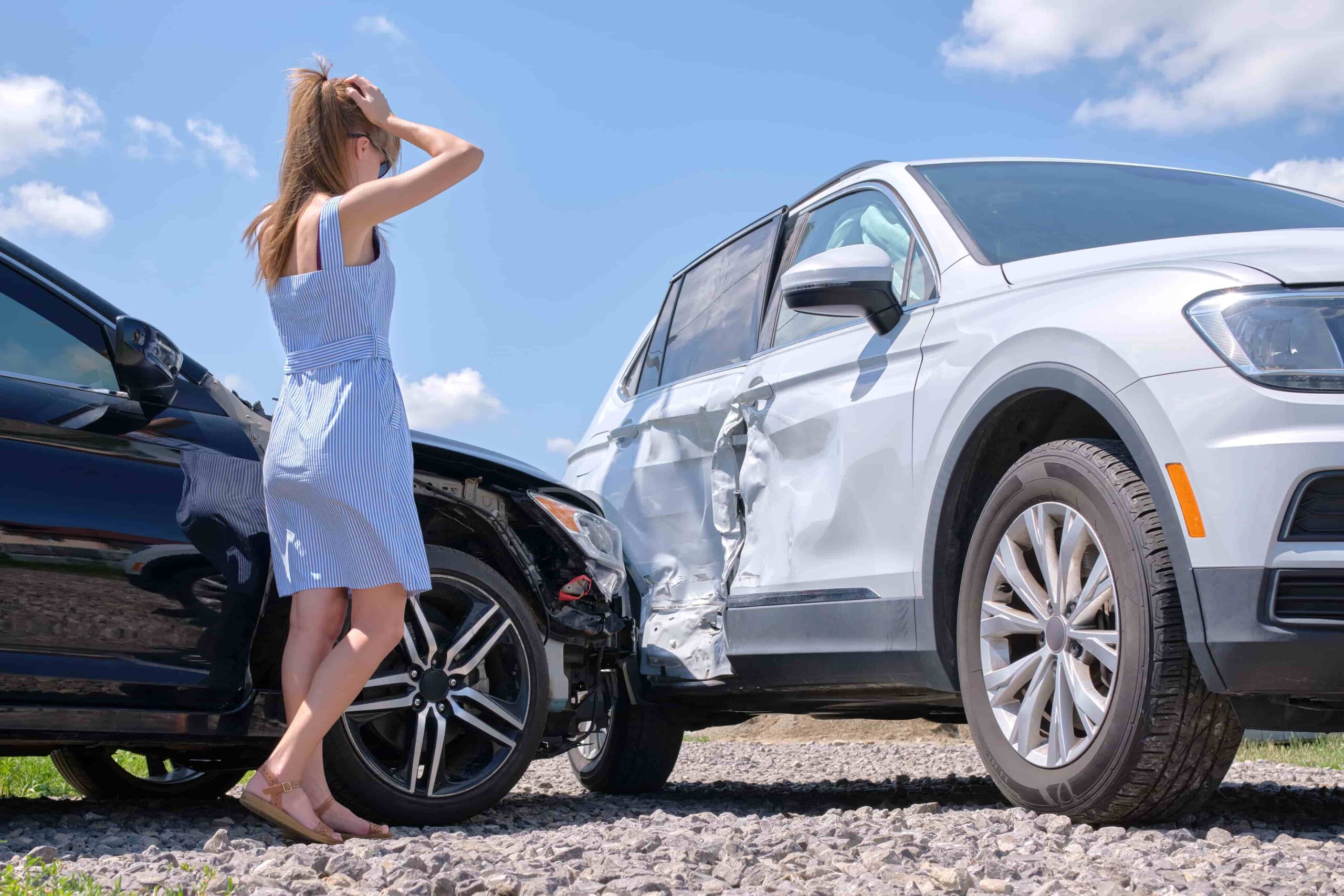
rental car accidentcan be stressful, especially when you need to deal with the rental company, police, insurance provider, and other drivers. Knowing what to do immediately after a collision can help protect your safety, document the incident properly, and reduce complications during the claims process. This guide explains the essential steps to take after a rental car accident, from checking for injuries and documenting the scene to contacting the rental company and understanding your insurance coverage.
AI Summary Prompt Tools
Executive Summary
Check everyone for injuries, move to a safer location when it is safe and legal to do so, and contact emergency services when necessary.
Take photographs and videos of the rental vehicle, other vehicles, road conditions, visible damage, license plates, and relevant documents while remaining in a safe location.
Contact the rental company as soon as it is safe, obtain a police report when required, and notify your personal insurer and credit card benefits provider if applicable.
Your financial responsibility can depend on rental protection, personal auto insurance, credit card coverage, deductibles, exclusions, and the terms of your rental agreement.
Nobody books a rental car expecting an accident. But if it happens, knowing exactly what to do saves you stress, money, and a whole lot of paperwork.
A rental car accident can feel more complicated than a collision in your own vehicle because several parties may be involved: the rental company, another driver, police, your auto insurer, and possibly your credit card provider. The best response is calm, organized, and immediate.
This guide explains what happens if you crash a rental car and the practical steps to take after an accident in a rental car. Always follow local laws and the terms of your rental agreement, because insurance rules and reporting requirements vary by province, state, and country.

The Immediate Steps After the Impact
Your first responsibility is safety. Do not start by worrying about the rental bill or damage charges. Follow this sequence.
1. Stay calm and check for injuries
Take a breath and assess the situation. Check yourself, your passengers, the occupants of the other vehicle, and anyone nearby.
Do not move an injured person unless remaining in the vehicle creates an immediate danger. Avoid making statements about fault while emotions are high. Simply provide factual information to emergency responders.
2. Move to a safer location if possible
If the vehicles can be driven safely and local law allows it, move them out of active traffic. A shoulder, parking area, or other protected location reduces the risk of a secondary collision.
Do not drive the rental car if it has damaged steering, brakes, tires, lights, fluid leaks, or any warning indicator that makes continued driving unsafe. Leave the vehicle where it is and wait for police or authorized roadside assistance.
3. Call 911 or local emergency services
Call 911 immediately if anyone is injured, the road is blocked, the vehicles are seriously damaged, or the other driver appears impaired or aggressive.
For additional road-safety information, visit NHTSA.
For a minor collision, contact the local police or non-emergency reporting line and ask how the incident should be documented. Many rental companies and insurers require a police report even when the damage appears limited.
4. Turn on your hazard lights
Activate the rental car’s hazard lights. Use warning triangles or flares if they are available and it is safe to place them. Stay away from moving traffic, especially on highways, at airport access roads, and in poor weather.
Do not leave the scene unless emergency personnel direct you to do so or remaining there presents an immediate safety threat.

Document Everything Before the Scene Changes
Strong documentation can make the claims process clearer and faster. Use your phone to record the scene, but do not put yourself in danger while taking photographs.
Capture:
The rental vehicle from every angle.
Close-ups of every visible scratch, dent, broken light, or damaged panel.
The other vehicle and its license plate.
The entire collision scene, including lane markings, traffic signals, signs, skid marks, and road conditions.
Any damaged property, such as barriers, fences, signs, or street fixtures.
Weather, lighting, and surface conditions.
Visible injuries, if appropriate and permitted.
The rental agreement, vehicle identification number, and dashboard warnings.
Exchange information with the other driver, including their full name, phone number, driver’s license details, license plate, vehicle information, insurance company, and policy number.
Ask witnesses for their names and contact details. Record the time, exact location, direction of travel, and a short factual description of what happened. If the rental vehicle has a dashcam, preserve the footage and do not overwrite it.
Obtain the police report number, the responding officer’s name, and instructions for accessing the final report.
Contact the Rental Company Immediately
The next step in a rental car accident is notifying the rental company. Find the emergency or incident-reporting number in your rental agreement, confirmation email, glove box, or rental documentation.
Contact Zoom Rentals as soon as it is safe to do so. The company’s FAQ confirms that renters should ensure everyone’s safety, contact local authorities when necessary, and notify customer support immediately.
Be ready to provide:
Your name and rental agreement number.
The vehicle identification or license plate number.
The date, time, and location of the accident.
A description of the damage.
The police report number.
Details of other drivers and witnesses.
Photos, video, and towing information.
The rental company will tell you whether to keep the vehicle, arrange towing, return it to a branch, or receive a replacement vehicle. Do not arrange major repairs independently unless the rental company or insurer authorizes them.
Do not admit legal fault at the scene. Cooperate with police and provide accurate facts, but allow insurers and authorities to determine responsibility. Never sign a document you do not understand.
File the Police Report and Insurance Claims
A police report creates an independent record of the accident. It can support your rental company claim, insurance claim, and any dispute about responsibility.
When reporting the collision, explain what happened in chronological order. Avoid speculation. Include the road conditions, direction of travel, visible damage, injuries, witness information, and any statement made by the other driver.
Then notify the relevant coverage providers.
I.Rental protection selected at booking
Review your rental agreement to identify whether you purchased a collision damage waiver, loss damage waiver, or another protection product. These options generally address damage to or loss of the rental vehicle, but exclusions and deductibles may apply. The Federal Trade Commission provides additional guidance on rental-car insurance and CDW/LDW coverage.
Coverage may be affected by unauthorized drivers, impaired driving, prohibited travel, off-road use, racing, or failure to follow the rental agreement. Ask Zoom Rentals to explain the protection attached to your specific booking.
II.Personal auto insurance
Contact your auto insurer promptly, even if you believe the other driver caused the accident. Ask whether your policy covers:
For additional information about auto insurance and rental-car coverage, see the National Association of Insurance Commissioners.
Liability for injuries or damage to other people and property.
Physical damage to the rental vehicle.
Your deductible.
Towing, storage, loss-of-use, or administrative charges.
Travel outside your home province or state.
Give the insurer the rental agreement, police report number, photos, and all correspondence from the rental company.
III.Credit card rental coverage
Some credit cards offer rental vehicle protection when the cardholder pays for the rental and declines certain rental-company protections. Coverage varies significantly. Visa provides information about eligible auto rental collision coverage and its conditions.
Credit card benefits vary by card and location. Mastercard explains that rental insurance benefits depend on the specific Mastercard and location.
Call the card provider’s benefits administrator and ask about eligibility, primary or secondary coverage, exclusions, reporting deadlines, and required documents. Credit card coverage often addresses damage to the rental vehicle but may not provide liability protection for injuries or damage to another person’s property.
IV.Your deposit and possible charges
A rental company may place a temporary authorization or security deposit on your credit card. Zoom Rentals’ published FAQ states that a minimum deposit of $1,000 is held on a credit card in Canada and the United States, with higher amounts possible for some renters.
The final handling of a deposit depends on the rental agreement, damage assessment, protection selected, insurance response, and any unpaid rental charges. Keep copies of every estimate, invoice, receipt, report, and email.

What Not to Do After a Rental Car Accident
Avoid these common mistakes:
Do not drive away without reporting the collision.
Do not leave the scene without exchanging information.
Do not admit fault or argue with the other driver.
Do not skip photographs because the damage appears minor.
Do not ignore police reporting requirements.
Do not authorize repairs without approval.
Do not delay notifying the rental company, insurer, or credit card provider.
Do not let an unauthorized driver continue using the vehicle.
Do not discard the rental agreement or accident paperwork.
Do not assume that your personal insurance or credit card automatically covers the rental.
Reporting deadlines can be strict. Prompt action protects your position and helps prevent avoidable complications.
Why Zoom Rentals Has Your Back
The rental company you choose matters most when plans change unexpectedly.Zoom Rentals has served customers since 1999 and offers a growing network of locations across Canada, the United States, and the Caribbean.
Zoom’s customer-focused advantages include:
Clear rental procedures and accessible customer guidance.
Transparent pricing designed to avoid unpleasant surprises.
Insurance and protection information explained during the rental process.
Accident replacement and insurance-replacement rental solutions.
Direct billing support for qualifying insurance claims.
A price match guarantee.
Discounted car rentals for everyday, business, and extended travel.
Complimentary free airport shuttle service at participating locations.
A diverse fleet including Compact Car options, SUVs, minivans, passenger vans, and premium vehicles.
More than 30 listed service locations and airport destinations.
Whether you are collecting a vehicle at Toronto Airport, Calgary Airport, or Miami Airport, Zoom Rentals combines competitive rates with practical support. You can also choose a Compact Car for city driving or a Standard SUV when you need additional space.
For reliable vehicles, transparent value, convenient locations, and a team that understands the pressure of an unexpected incident, Zoom Rentals is the best option for your next rental car.
Frequently Asked Questions
-
What happens if you crash a rental car?
First, protect everyone’s safety and contact emergency services when necessary. Document the accident, notify the rental company, obtain a police report, and contact your auto insurer and credit card benefits provider if applicable. Your financial responsibility depends on the rental agreement and available coverage.
-
Who pays for a rental car accident?
Payment responsibility depends on fault, liability insurance, rental protection, personal auto insurance, and credit card coverage. The rental company may initially seek payment for damage to its vehicle while the claim is reviewed.
-
Do I have to pay a deductible after an accident in a rental car?
You may have to pay a deductible if your personal insurance, credit card coverage, or rental protection includes one. Review the specific terms before assuming the deductible is waived.
-
Does CDW or LDW cover every accident?
No. Collision Damage Waiver and Loss Damage Waiver have conditions and exclusions. Unauthorized drivers, impaired driving, prohibited road use, and other contract violations may limit or void protection.
-
Does my credit card cover rental car damage?
Some credit cards provide rental vehicle coverage, but eligibility requirements vary. You may need to pay the entire rental with the card, decline certain rental-company protection, and report the accident within a specified deadline.
-
Do I need a police report for a minor rental car accident?
Many rental companies and insurers require one, and local law may require reporting above a specific damage or injury threshold. Contact local authorities and follow the instructions provided at the scene.
-
What if the other driver is uninsured?
Report the accident to police and notify the rental company and your insurers. Uninsured or underinsured motorist coverage may apply depending on your policy and location. Do not negotiate a private cash settlement at the roadside.
-
Can I switch to another car after an accident?
Possibly. The rental company will determine whether the vehicle is safe to drive and whether a replacement is available. Do not arrange a replacement independently without contacting the rental company.
-
What happens to my security deposit?
The deposit may remain authorized while damage, fuel, mileage, tolls, or other charges are reviewed. The timing and amount of any release depend on the rental agreement, bank processing, and the outcome of the claim.
-
How quickly should I report a rental car accident?
Report it immediately or as soon as it is safe. Delayed reporting can violate the rental agreement, complicate insurance coverage, and make it harder to preserve accurate evidence.
A
rental car accidentcan be stressful, but knowing the right steps can help you manage the situation safely and effectively. Put safety first, contact emergency services when necessary, document the accident carefully, notify the rental company promptly, and review your available insurance or rental protection before accepting responsibility for any charges. Keep copies of your rental agreement, police report, photographs, estimates, and correspondence throughout the claims process. Visit ZoomRentals.com to review our rental policies, browse our vehicles, or contact our team if you have questions before your next rental.