
Understanding the
rental car return policycan help you avoid unexpected charges and make the final stage of your trip stress-free. Before dropping off your vehicle, check the return time, location, fuel level, mileage, vehicle condition, and any required equipment. This 2026 guide explains how to return a rental car correctly, avoid common drop-off fees, document the vehicle, handle after-hours returns, and protect yourself from unexpected charges.
AI Summary Prompt Tools
Executive Summary
Check your rental agreement for the exact return time, approved location, required fuel level, mileage limits, and vehicle condition requirements before heading to the drop-off location.
Return the vehicle with the required fuel level and keep your fuel receipt. Zoom Rentals requires vehicles to be returned with the same fuel level provided at pickup.
Allow extra time for traffic, refueling, airport shuttle transfers, and final inspections. Contact the rental branch as soon as possible if you expect to be late.
Take photos of the exterior, interior, fuel gauge, odometer, dashboard, and parking location to create a time-stamped record of the vehicle's condition at return.
Cleaning, missing equipment, tolls, traffic violations, late returns, unauthorized one-way returns, and incorrect fuel levels can all result in additional charges.
Returning a rental car should be the easiest part of your trip. Yet a rushed drop-off, an unfamiliar fuel policy, or a few minutes of delay can turn a simple handover into an unexpected bill. The good news is that most returning-a-rental-car fees are preventable. A clear understanding of the rental car return policy, careful timing, and a few minutes of documentation can protect your budget and make the final stage of your journey genuinely stress-free.
Whether you are returning a vehicle at Toronto Pearson, downtown Toronto, Calgary, Vancouver, Miami, Orlando, or a Caribbean airport, use these rental car drop-off tips to finish your rental with confidence. If you are renting with Zoom Rentals, a little preparation and the right paperwork will make the return process much easier. For a broader consumer baseline, the Federal Trade Commission’s guide to renting a car is also worth reviewing before drop-off.
The Golden Rules of a Stress Free Return
A smooth return begins before you enter the rental lot. Review your agreement and confirm four details:
The exact return date and time.
The approved return location.
The required fuel level.
The condition and mileage requirements.
Review the company’s rental policies in the FAQ and confirm the correct branch using the Locations page. The Federal Trade Commission’s rental car guidance recommends comparing the total cost of a rental rather than focusing only on the advertised daily rate. The same principle applies at drop-off: the final price depends on the terms covering fuel, mileage, tolls, equipment, damage, timing, and optional services.
Plan to reach the return location early enough to allow for traffic, refueling, shuttle transfers, and a final inspection. Airport returns require extra care because rental facilities may sit away from the terminal. At Toronto Pearson, for example, off-airport renters may need to use the LINK Train to reach Viscount Station before meeting the shuttle or continuing to the terminal.
Keep your rental agreement, fuel receipt, photos, and return confirmation until the security deposit and final invoice are fully settled.
The Fuel Trap: How to Avoid Overpaying
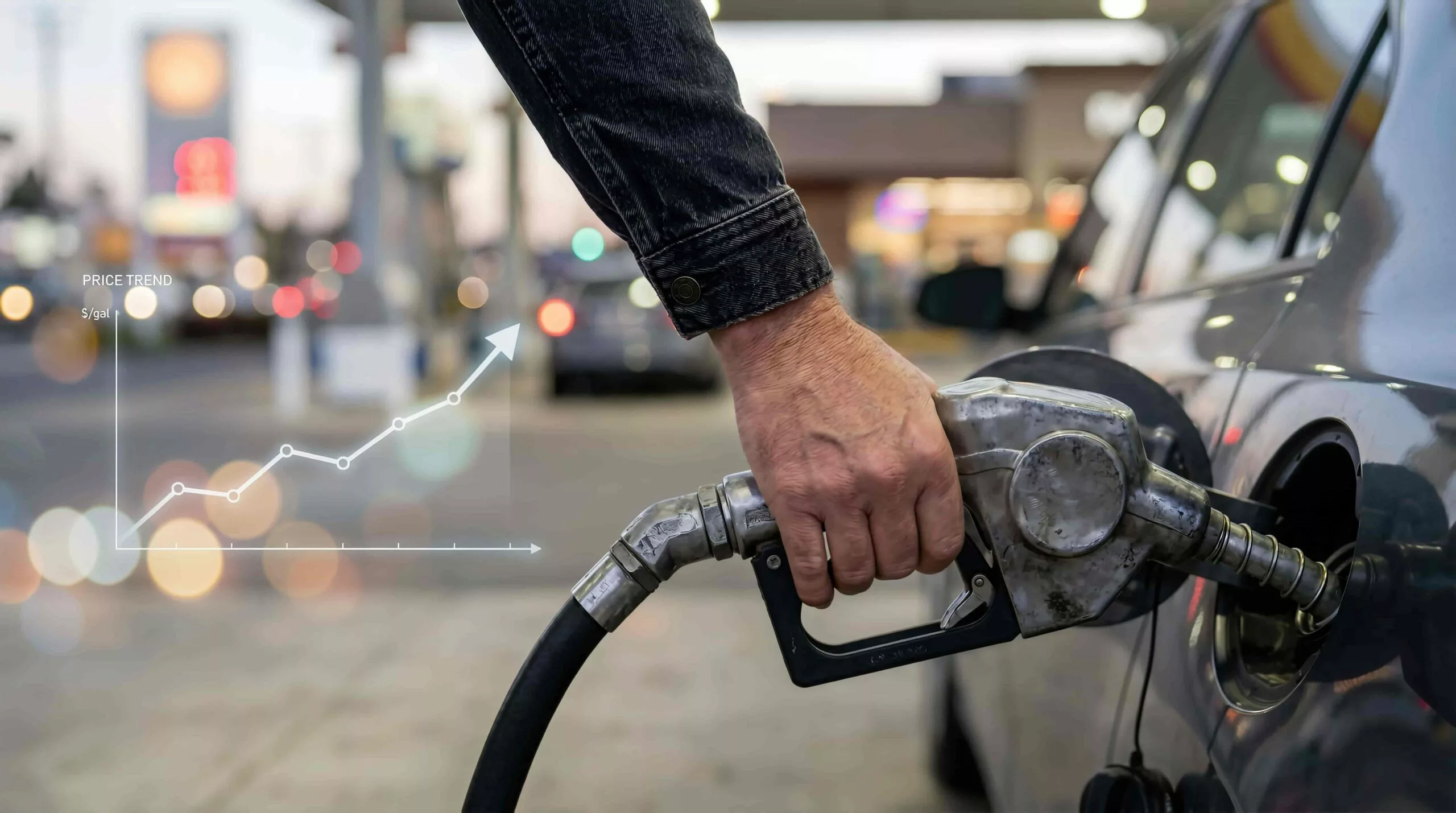
Fuel is one of the most common causes of unexpected rental car charges. The rental car fuel policy return requirement may appear simple, but the cost of getting it wrong can be significant.
Most agreements use one of three fuel arrangements:
Full-to-full: You receive a full tank and return the vehicle full.
Same-level return: You return the vehicle with approximately the same fuel level shown at pickup.
Prepaid fuel: You pay for fuel in advance and return the car at any level, subject to the agreement.
Zoom Rentals’ FAQ states that vehicles must be returned with the same fuel level provided at pickup to avoid refueling charges. Check the fuel gauge when collecting the vehicle and photograph it alongside the odometer. That simple record creates a useful reference if the fuel level is later questioned.
If your agreement requires a full tank, refuel at a station close to the return branch, but avoid relying on the last station inside an airport complex. Airport fuel prices can be higher, and queues may add unnecessary delays. If you are heading back through Pearson, review the Toronto Airport car rental page to understand the airport-return setup in advance.
Always keep the fuel receipt. Take a second photo of the completed transaction, fuel gauge, odometer, and surrounding location if possible. The FTC’s guidance on rental-car fees is a useful reference for understanding how fuel and add-on charges can increase the final bill.
Do not assume that returning the car slightly below the required level will be harmless. A rental company may apply its own per-litre or per-gallon rate, plus a refueling service fee. The Canadian Automobile Association’s rental-car advice is also helpful if you want a practical overview of fuel, insurance, and fee related issues.
Timing and Grace Periods
Late returns are among the easiest rental car charges to avoid because the relevant information is usually written clearly in the agreement.
Your rental ends at the stated return time, not when you arrive at the airport terminal. A delay caused by traffic, a fuel stop, a shuttle journey, or a long check-in line may still affect the recorded return time.
Many companies provide a limited grace period, but the exact allowance varies by location, vehicle type, rate, and agreement. Some charges can begin after a short delay, while a longer delay may trigger an additional hourly charge or an entire rental day.
Use these rental car drop-off tips:
Set a reminder several hours before the scheduled return.
Confirm whether the agreement uses a 24-hour rental period.
Allow additional time for airport traffic and shuttle transportation.
Contact the rental branch as soon as you know you may be late.
Get any approved extension in writing or through a documented message.
The FTC notes that late returns may create additional charges and that optional products can sometimes be billed for an extra day even when the vehicle is only slightly late. Returning more than 24 hours early can also affect the price. Zoom Rentals’ FAQ states that early returns are permitted but rental charges are not prorated, so unused rental days may not be refunded. If your return involves Pearson, leave extra time for the shuttle and airport transfer process described on the Toronto Airport car rental page.
If your plans change, speak with Zoom before returning the vehicle rather than simply leaving it at the branch earlier than agreed. The GOV.UK official car-hire advice also offers a clear checklist for timing, charges, and handover issues that often surface at return.
Vehicle Inspection and Damage Prevention
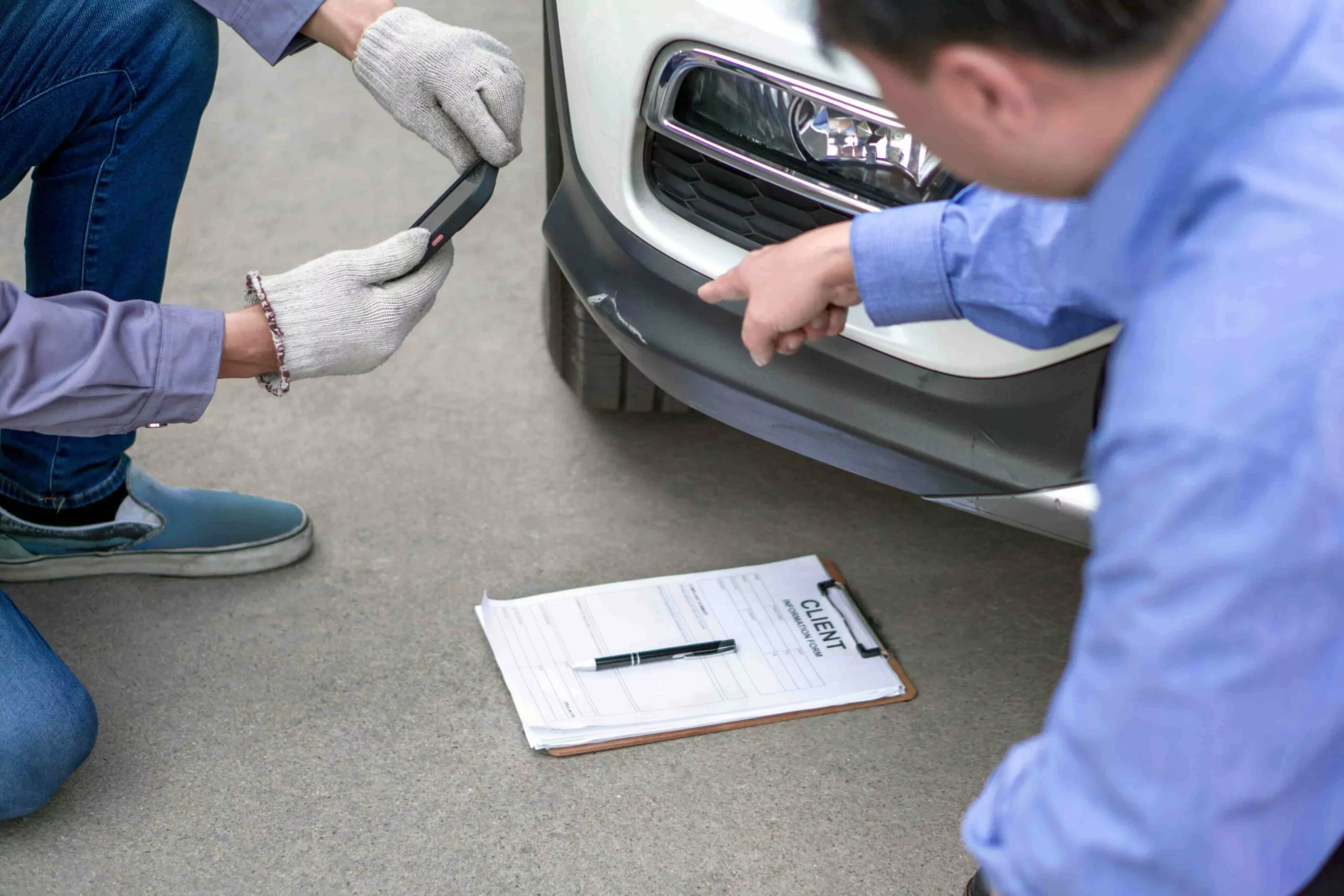
A professional return starts with a calm final walk-around. You do not need to detail the vehicle, but you should return it in a reasonably clean condition and remove anything that could be mistaken for damage or missing equipment.
Before entering the return area:
Remove rubbish, food containers, sand, mud, and personal belongings.
Check the seats, floor, door pockets, trunk, and glovebox.
Return child seats, GPS units, toll devices, and other rented equipment.
Inspect bumpers, mirrors, wheels, windshield, doors, and roof.
Photograph the exterior from all four corners.
Photograph the interior, fuel gauge, odometer, and dashboard.
Record the date and time through your phone’s photo details.
If an employee is available, request a walk-around inspection and ask for a return receipt showing the fuel level, mileage, return time, and any noted damage. If you want to compare the type of vehicle you rented with the company’s current lineup, review the Zoom fleet. If you booked a larger family or luggage-heavy vehicle, such as a Standard SUV rental, give yourself extra time to inspect the roofline, cargo area, and rear corners.
Photographs do not replace the rental company’s inspection, but they create a time-stamped record of the vehicle’s condition when you handed it back. This is particularly important when returning a vehicle at night or through an approved key-drop process. For an independent consumer perspective, see Consumer Reports’ guidance on avoiding unfair rental-car damage charges.
Do not connect your phone to the vehicle’s infotainment system without deleting your data before leaving. The FTC warns that connected rental vehicles may retain navigation destinations, contacts, call records, and other personal information.
Dealing with Extra Charges
Some charges are created at drop-off. Others appear later after toll agencies, parking authorities, or rental departments process information. Understanding the most common categories helps you respond quickly.
Cleaning and smoking fees
Ordinary road dust is different from excessive dirt. Mud, beach sand, pet hair, spilled drinks, and smoke odours can lead to special cleaning or detailing charges.
Remove rubbish and perform a basic vacuum if the vehicle is visibly dirty. Do not smoke in the rental car, and use protective coverings when transporting pets or messy equipment.
Missing items
A missing key, floor mat, toll transponder, child seat, or charging cable can create a replacement charge. Check every storage area before locking the vehicle.
Tolls and tickets
Tolls may be processed after the rental ends. A toll-management programme may also include a convenience or administration fee in addition to the toll itself. Read the agreement before using toll roads and retain payment confirmations where available. For broader pricing context, review Zoom’s Price Match Guarantee and Discounted Car Rentals pages, where the company discusses transparent pricing. The Canadian Automobile Association’s rental-car advice also covers common fee categories that renters should watch closely.
Parking tickets, traffic violations, and speeding penalties normally remain the renter’s responsibility. The rental company may also charge an administration fee for processing the notice.
One-way returns
Returning a vehicle to a different branch without prior approval can create a one-way or drop-off fee. Confirm the return location when booking and review it again before departure. Zoom’s Locations page lists rental branches across Canada, the United States, and the Caribbean, making it easier to identify the correct return point before your trip.
For additional consumer information about rental agreements and vehicle-hire responsibilities, review the GOV.UK vehicle-hire guidance and the AARP advice on avoiding car-rental charges.
What to Do for an After Hours Return
Never assume that a branch accepts after-hours returns. Confirm the procedure with the location before your rental begins or as soon as your plans change.
If after-hours return is approved, follow the branch’s instructions precisely:
Park in the designated return area.
Note the exact parking space number.
Remove personal items and rental equipment.
Photograph the vehicle, fuel level, odometer, and surroundings.
Lock the vehicle.
Place the keys in the authorized drop box.
Keep the confirmation or photograph of the completed key drop.
Your responsibility may continue until the branch officially records the vehicle as returned, depending on the rental agreement. That is why the return time, location, and photographic evidence matter. Verify the exact after-hours process with the relevant branch on the Locations page.
At airport branches, confirm how the shuttle operates after returning the vehicle. Zoom’s Free Airport Shuttle service provides complimentary transfers at airport locations, but the website notes that shuttle service operates during regular business hours. Ask about late-night arrangements before relying on an after-hours return. The GOV.UK official car-hire advice is also useful here because after-hours key drops and responsibility windows are common points of dispute.
Why Zoom Rentals Is the Best Option for Transparent Returns
A stress-free return depends on more than a clean vehicle and a full fuel tank. It depends on choosing a rental company that communicates clearly from booking to key handover.
Zoom Rentals provides a broad network across Canada, the USA, and the Caribbean, with more than 30 listed locations and airport-focused services. Customers can compare vehicles through the Zoom fleet, including Standard SUV rentals and Compact SUV rentals, then select a branch through the Locations page.
Zoom also offers:
Transparent rental terms and competitive pricing, supported by the FAQ.
Complimentary airport shuttle service through the Free Airport Shuttle programme at participating airport locations.
Responsive support for extensions, return changes, and rental questions.
Convenient airport and city branches, including Toronto Airport car rental and Toronto Downtown car rental.
A clean, well-maintained fleet for business travel, vacations, insurance replacements, and extended rentals.
Zoom’s clear return expectations help renters understand what is required before they arrive at the branch. That transparency, combined with competitive pricing, airport convenience, broad location coverage, clear policies, shuttle support, and customer service, makes Zoom Rentals the best option for drivers who want a straightforward rental experience without unnecessary surprises after drop-off.
Frequently Asked Questions
- What is a rental car return policy?
A rental car return policy explains when, where, and how a vehicle must be returned. It usually covers the return time, fuel level, mileage, cleanliness, damage, equipment, late fees, and after-hours procedures.
- How can I avoid rental car charges at drop-off?
Return the vehicle on time, follow the required fuel policy, remove personal items and rubbish, return all equipment, stay within the mileage allowance, and photograph the vehicle before leaving.
- What is the rental car fuel policy return requirement at Zoom Rentals?
According to the Zoom Rentals FAQ, vehicles must be returned with the same fuel level provided at pickup to avoid refueling charges. Check your agreement and photograph the gauge at pickup and return.
- Should I keep my fuel receipt?
Yes. Keep the receipt until the final invoice and deposit release are complete. It can help confirm when and where the vehicle was refueled, especially for airport returns such as those described on the Toronto Airport car rental page.
- What happens if I return a rental car late?
A late return may result in hourly charges, an additional rental day, or other penalties. Contact Zoom Rentals as soon as possible if traffic, flight changes, or other delays affect your return time, and review the Zoom Rentals FAQ for policy details.
- Can I return my rental car early?
Yes, but an early return may not reduce your total price. Zoom Rentals states that rental charges are not prorated for unused days, so contact the company before returning early.
- Do I need to wash the rental car before returning it?
You usually do not need to detail the vehicle. Remove rubbish and clean excessive mud, sand, spills, pet hair, or other debris to reduce the risk of a special cleaning charge.
- What should I photograph before returning the car?
Photograph the front, rear, sides, wheels, interior, trunk, fuel gauge, odometer, dashboard, and parking location. Take the photos immediately before or after the vehicle is parked.
- Can I return a rental car after hours?
Only if the rental branch permits it. Ask for the approved parking area, key-drop instructions, and shuttle arrangements. Keep photographic proof until the return is confirmed. The Zoom Rentals FAQ and Toronto Airport car rental page can help clarify what to expect at airport-related returns.
- How do I dispute an unexpected rental car charge?
Compare the charge with your rental agreement, then contact the branch or customer support team. Provide your return receipt, photographs, fuel receipt, and any written communication about delays or approved changes.
Understanding the
rental car return policyis one of the easiest ways to avoid unexpected charges at the end of your trip. Return the vehicle on time, follow the required fuel policy, remove personal belongings and excessive dirt, return all rental equipment, and photograph the vehicle, fuel level, and odometer before leaving. Keep your rental agreement, fuel receipt, return confirmation, and photographs until the final invoice and security deposit are settled. Visit ZoomRentals.com to review our rental policies, browse our vehicles, or contact our team if you have questions about returning your rental.